
In the cutthroat world of SaaS, acquiring and retaining customers is a constant battle. Standing out from the crowd requires more than just a great product; it demands a compelling value proposition that resonates with your target audience. For SaaS providers serving managed service providers (MSPs) and IT professionals, the answer often lies in strategically bundling features from complementary platforms, specifically CRM (Customer Relationship Management) and RMM (Remote Monitoring and Management) solutions.
CRM–RMM feature bundles offer a powerful synergy that can significantly enhance the value proposition of both individual platforms. By integrating customer relationship management capabilities with remote monitoring and management tools, SaaS vendors can provide a comprehensive solution that streamlines workflows, improves efficiency, and ultimately drives revenue growth for their customers. This article delves into the benefits of CRM–RMM feature bundles and provides insights into how SaaS providers can effectively showcase them to boost sales.
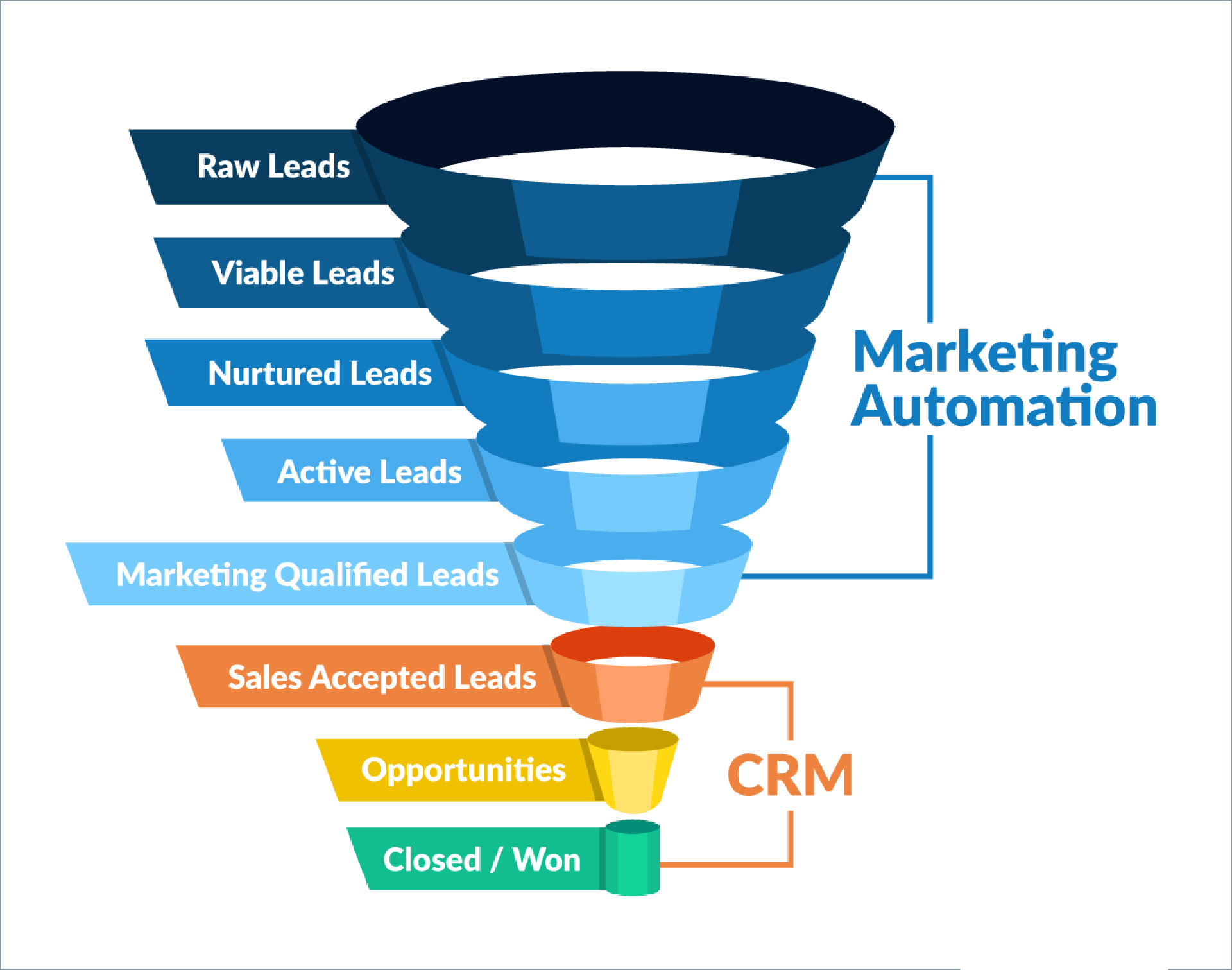
We’ll explore the core advantages these bundles offer, focusing on aspects like enhanced customer service, proactive problem resolution, improved sales processes, and data-driven decision-making. Furthermore, we’ll discuss practical strategies for demonstrating the value of these bundles through targeted marketing campaigns, compelling product demonstrations, and clear articulation of the return on investment (ROI) that customers can expect. Let’s dive in and uncover the potential of CRM–RMM feature bundles to revolutionize your SaaS sales strategy.
Understanding the Power of CRM–RMM Bundles
The integration of CRM and RMM systems creates a holistic view of the customer and their IT infrastructure. Separately, these systems address distinct but related needs. CRM focuses on managing customer interactions, sales pipelines, and marketing efforts. RMM, on the other hand, monitors and manages IT infrastructure remotely, ensuring uptime and resolving technical issues. When combined, these systems offer a synergistic advantage that benefits both the MSP and their clients.
Enhanced Customer Service and Support
A key benefit of CRM–RMM bundles is the ability to provide superior customer service. When a support ticket is raised, the MSP can instantly access not only the customer’s contact information and service history (from the CRM) but also real-time data on their IT infrastructure (from the RMM). This allows support technicians to diagnose problems more quickly, provide more accurate solutions, and ultimately improve customer satisfaction. Imagine a scenario where a server is experiencing high CPU utilization. With an integrated system, the support technician can immediately see the alert from the RMM, access the customer’s CRM profile to understand the business impact, and proactively contact the customer with a solution, often before they even notice the issue. This proactive approach builds trust and loyalty.
Proactive Problem Resolution and Prevention
RMM systems are designed to identify and alert MSPs to potential IT issues before they escalate into major problems. By integrating this data with the CRM, MSPs can prioritize issues based on their impact on specific customers. For example, if a critical server for a high-value client is showing signs of instability, the MSP can proactively address the issue, minimizing downtime and preventing potential business disruption. This proactive approach not only improves customer satisfaction but also reduces the overall cost of support by preventing major incidents. To effectively manage customer relationships and achieve business growth, understanding the interconnectedness of Roi Crm Rmm is crucial
Streamlined Sales Processes
CRM–RMM bundles can also streamline the sales process for MSPs. By leveraging data from both systems, sales teams can identify opportunities for upselling and cross-selling. For instance, if the RMM system detects that a customer is running low on storage space, the sales team can proactively reach out to offer additional storage solutions. Similarly, if the CRM data indicates that a customer is growing rapidly, the sales team can propose a more comprehensive IT management package to support their expanding needs. The integrated view of the customer provided by the bundle allows for more targeted and effective sales efforts.
Data-Driven Decision-Making
The combined data from CRM and RMM systems provides valuable insights that can inform strategic decision-making. MSPs can analyze data on customer service requests, IT infrastructure performance, and sales trends to identify areas for improvement and optimize their service offerings. For example, they can identify common IT issues that are affecting multiple customers and develop proactive solutions to address these issues. They can also track the effectiveness of their sales and marketing efforts and adjust their strategies accordingly. This data-driven approach allows MSPs to make more informed decisions that improve their profitability and competitiveness. Understanding the basics of IT support is crucial, What Is Remote Monitoring and Management (RMM)? which helps to explain its role in modern business operations
.
Showcasing the Value of CRM–RMM Feature Bundles
Simply offering a CRM–RMM bundle is not enough. To effectively boost sales, SaaS providers need to showcase the value of these bundles in a compelling and persuasive manner. This requires a well-defined marketing strategy that targets the right audience, highlights the key benefits of the bundle, and provides clear evidence of the ROI that customers can expect.
Targeted Marketing Campaigns
The first step in showcasing the value of CRM–RMM bundles is to develop targeted marketing campaigns that resonate with the specific needs and pain points of MSPs. These campaigns should focus on highlighting the benefits of the bundle in terms of improved efficiency, reduced costs, and increased profitability. For example, a campaign might focus on how the bundle can help MSPs reduce the time it takes to resolve support tickets, improve customer retention rates, or increase sales of managed services. Use case studies and testimonials from existing customers can be particularly effective in demonstrating the real-world benefits of the bundle.
Compelling Product Demonstrations
Product demonstrations are a crucial part of the sales process. When demonstrating a CRM–RMM bundle, it’s important to focus on the integrated functionality and how it solves specific problems for MSPs. Instead of simply showcasing the individual features of each platform, demonstrate how the two systems work together to provide a seamless and efficient workflow. For example, show how a support technician can access customer information from the CRM directly within the RMM console, or how a sales representative can use RMM data to identify upselling opportunities. The key is to make the demonstration relevant to the prospect’s specific needs and show them how the bundle can help them achieve their business goals. Navigating the software landscape requires careful consideration, so weighing your options carefully Crm Rmm Choosing often leads to a more informed decision
Quantifiable ROI
One of the most effective ways to convince MSPs of the value of a CRM–RMM bundle is to provide a clear and quantifiable ROI. This requires understanding the costs associated with implementing and using the bundle and comparing them to the potential benefits. For example, SaaS providers can calculate the potential cost savings from reduced support ticket resolution times, improved customer retention rates, and increased sales of managed services. They can also provide case studies and testimonials that demonstrate the ROI that other MSPs have achieved using the bundle. The more concrete and specific the ROI, the more likely MSPs are to invest in the solution.
Highlighting Integration Capabilities
The seamless integration between the CRM and RMM platforms is a key selling point. Emphasize the ease of data flow between the two systems and the ability to access information from either platform without having to switch between applications. Highlight any pre-built integrations and APIs that allow MSPs to customize the bundle to meet their specific needs. Clear documentation and support resources are also essential to ensure that MSPs can easily integrate and use the bundle effectively.
Addressing Common Concerns
During the sales process, it’s important to address any common concerns that MSPs may have about implementing a CRM–RMM bundle. These concerns might include the cost of the solution, the complexity of the integration, and the potential disruption to their existing workflows. Be prepared to answer these questions honestly and provide reassurance that the benefits of the bundle outweigh the risks. Offer training and support to help MSPs get up to speed quickly and minimize any potential disruption to their business.
Pricing and Packaging Strategies
The pricing and packaging of CRM–RMM feature bundles can significantly impact their appeal to MSPs. Consider offering different tiers of bundles with varying levels of features and functionality to cater to different customer segments. A “basic” bundle might include core CRM and RMM features, while a “premium” bundle could offer advanced capabilities such as automated reporting, advanced analytics, and dedicated support. Flexible pricing options, such as per-user pricing or usage-based pricing, can also make the bundle more attractive to MSPs.
Value-Based Pricing
Consider adopting a value-based pricing approach, where the price of the bundle is based on the value it provides to the customer. This requires understanding the potential ROI that MSPs can achieve using the bundle and setting the price accordingly. For example, if the bundle can help MSPs increase their revenue by 10%, the price should reflect a percentage of that increased revenue. Value-based pricing can be more effective than cost-plus pricing, as it focuses on the benefits that the customer receives rather than the cost of providing the solution.
Bundling Options and Add-ons
Offer a variety of bundling options to cater to different customer needs. This could include bundling the CRM–RMM bundle with other complementary SaaS solutions, such as PSA (Professional Services Automation) or IT documentation tools. Also, consider offering add-ons that allow MSPs to customize the bundle to meet their specific requirements. This flexibility can make the bundle more appealing to a wider range of customers.
Free Trials and Pilot Programs
Offering free trials and pilot programs can be an effective way to convince MSPs of the value of a CRM–RMM bundle. This allows them to test the solution in their own environment and see firsthand how it can improve their business. During the trial period, provide ample support and training to help MSPs get the most out of the bundle. Collect feedback and use it to improve the product and the sales process.
Conclusion
CRM–RMM feature bundles represent a significant opportunity for SaaS providers to boost sales and enhance their value proposition. By integrating customer relationship management capabilities with remote monitoring and management tools, these bundles offer a comprehensive solution that streamlines workflows, improves efficiency, and drives revenue growth for MSPs. To effectively showcase the value of these bundles, SaaS providers need to develop targeted marketing campaigns, deliver compelling product demonstrations, and provide clear evidence of the ROI that customers can expect. By focusing on the benefits of the integrated solution and addressing common concerns, SaaS providers can successfully position CRM–RMM feature bundles as a must-have for MSPs looking to thrive in today’s competitive market.
Conclusion
In conclusion, the strategic bundling of CRM and RMM features represents a significant opportunity for SaaS providers to not only enhance their value proposition but also to drive substantial sales growth. By offering integrated solutions that address the holistic needs of MSPs and other IT service providers, vendors can move beyond simply selling individual tools and instead provide a comprehensive platform that streamlines operations, improves efficiency, and ultimately boosts profitability for their clients. The ability to demonstrate tangible benefits through real-world use cases and clear ROI projections is paramount to successful adoption.
This article has highlighted the key advantages of CRM–RMM bundles, from improved lead management and customer service to enhanced remote monitoring and proactive issue resolution. The time is now for SaaS companies to seriously consider how they can leverage this powerful synergy. Don’t wait to unlock the potential of integrated CRM–RMM offerings. Explore how bundling can transform your sales strategy and deliver unparalleled value to your customers. Contact us today to learn more about developing a successful CRM–RMM bundling strategy for your SaaS business.
Frequently Asked Questions (FAQ) about Boosting SaaS Sales: Showcasing CRM-RMM Feature Bundles
How can bundling CRM and RMM features together help increase SaaS sales for managed service providers (MSPs) and IT solution providers?
Bundling CRM (Customer Relationship Management) and RMM (Remote Monitoring and Management) features offers a compelling value proposition that can significantly increase SaaS sales for MSPs and IT solution providers. By integrating these tools, businesses can demonstrate a streamlined, end-to-end solution that addresses both sales and technical operations. This integrated approach allows for better data visibility, enabling sales teams to understand the technical health of their clients and proactively offer relevant services. For example, if the RMM detects a potential security vulnerability, the CRM can trigger a sales opportunity to offer security upgrades. This proactive, data-driven sales approach increases conversion rates and customer retention. Furthermore, a bundled solution can be priced more competitively than individual products, making it more attractive to potential customers and driving higher sales volumes. Streamlining workflows and enhancing data visibility are key benefits, Crm Rmm Integration allowing for more efficient business operations
What are some effective strategies for showcasing the value of a combined CRM-RMM feature bundle to potential SaaS customers, specifically highlighting the ROI?
Showcasing the value of a combined CRM-RMM feature bundle requires a focus on demonstrating tangible ROI for potential SaaS customers. Start by quantifying the benefits. For example, calculate the potential time savings from automated ticketing and proactive issue resolution made possible by the integration. Use case studies and testimonials from existing customers that highlight how the bundle has improved their efficiency, reduced downtime, and increased customer satisfaction. Offer a free trial or demo that allows potential customers to experience the integrated features firsthand. Focus on illustrating how the bundle streamlines workflows, improves communication between sales and technical teams, and ultimately leads to increased revenue and reduced operational costs. Emphasize the ability to proactively identify upselling opportunities based on RMM data, demonstrating a clear path to increased profitability. Always relate the features back to specific business outcomes and financial gains. Selecting the right software is crucial, so evaluating Top Crm Tools can significantly streamline your business processes
What key CRM features should be emphasized when bundling with RMM to attract MSPs looking for a comprehensive SaaS solution, and how do these features complement RMM functionalities?
When bundling CRM with RMM, highlighting specific CRM features is crucial for attracting MSPs seeking a comprehensive SaaS solution. Focus on lead management, opportunity tracking, and automated reporting. The CRM’s lead management capabilities allow MSPs to efficiently capture and nurture potential clients, while opportunity tracking provides visibility into the sales pipeline and projected revenue. Automated reporting, including customized dashboards, offers insights into sales performance and customer trends. These CRM features complement RMM functionalities by providing a centralized platform for managing both customer relationships and technical operations. For instance, the RMM can trigger automated alerts in the CRM when a client’s system requires attention, enabling proactive service delivery and improved customer satisfaction. The integration provides a holistic view of the customer, enabling MSPs to deliver more personalized and effective services, increasing retention and driving new sales. As technology evolves, the efficiency of Remote Monitoring Meets proactive maintenance is becoming increasingly apparent