
In today’s fast-paced digital landscape, businesses are constantly bombarded with IT incidents, ranging from minor glitches to critical system failures. The speed and efficiency with which these incidents are resolved directly impact productivity, customer satisfaction, and ultimately, the bottom line. Traditionally, incident response was a reactive and often chaotic process, relying on manual tracking, fragmented communication, and a lack of centralized information. This resulted in prolonged downtime, frustrated users, and increased costs.
However, modern technology offers powerful solutions to streamline and optimize incident response. Two key players in this arena are Customer Relationship Management (CRM) and Remote Monitoring and Management (RMM) systems. While seemingly distinct, these tools can work synergistically to dramatically improve incident response times, reduce resolution costs, and enhance overall IT service delivery. Understanding how these systems integrate and contribute to a more efficient incident management process is crucial for any organization seeking to maintain a competitive edge.
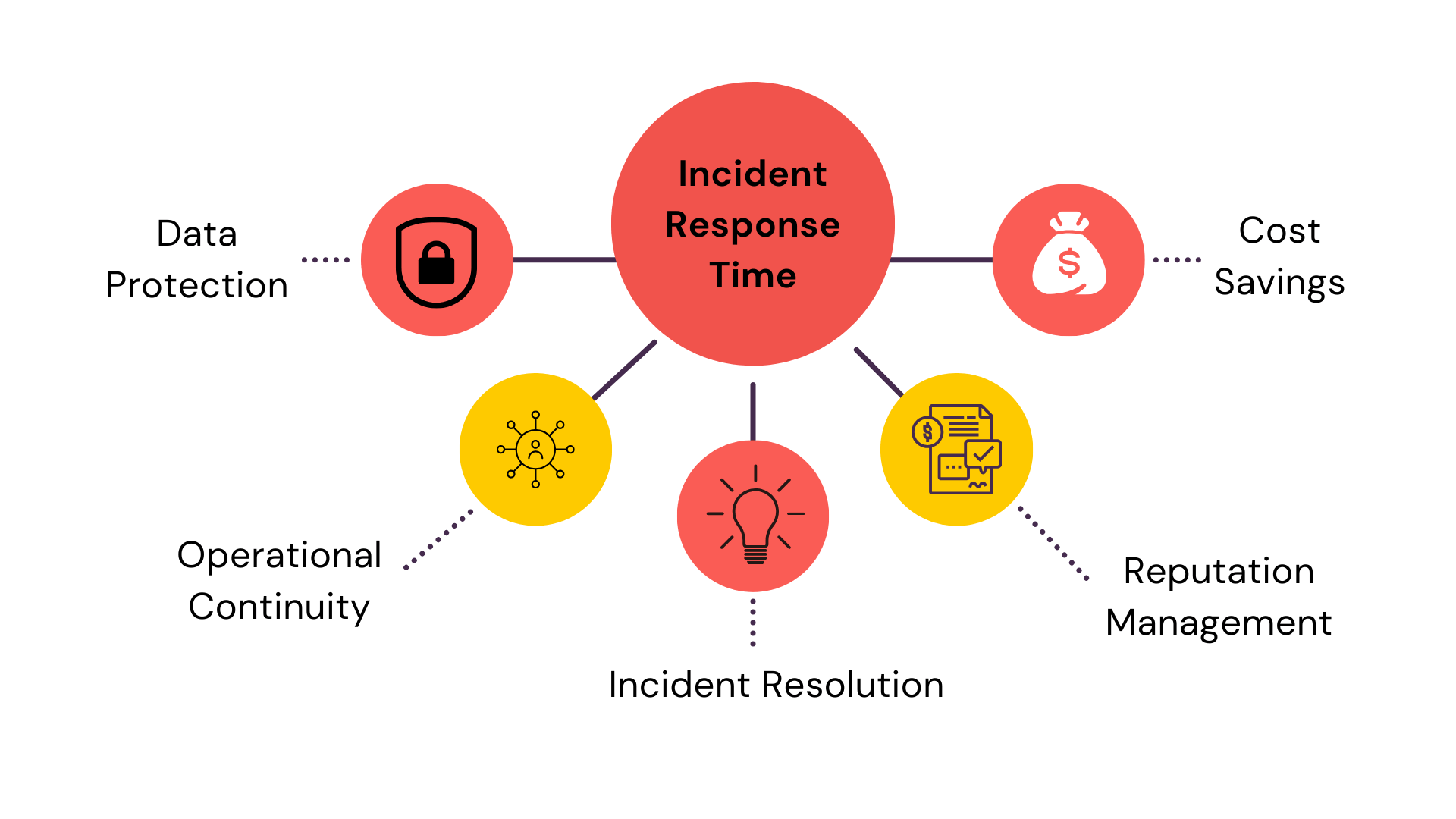
This article will explore the individual roles of CRM and RMM in incident response, delve into how they complement each other, and provide practical insights into leveraging these tools to achieve significant improvements in incident resolution times. We will examine the specific features and functionalities that contribute to faster response, reduced downtime, and enhanced customer satisfaction. By the end of this article, you will have a clear understanding of how CRM and RMM can transform your incident response strategy from a reactive fire drill into a proactive and efficient operation.
The Role of CRM in Incident Response
Customer Relationship Management (CRM) systems are primarily designed to manage customer interactions and data throughout the customer lifecycle. However, their capabilities extend beyond sales and marketing and can be effectively utilized to enhance incident response, particularly when dealing with incidents reported by end-users or customers. Selecting the right technology can be daunting, so researching Best Crm Msps is crucial for managed service providers seeking efficient solutions
Centralized Incident Logging and Tracking
A key function of CRM in incident response is providing a centralized platform for logging and tracking incidents. Instead of relying on disparate email threads, spreadsheets, or phone calls, users can submit incidents directly through the CRM portal. This ensures that all relevant information, such as the user’s contact details, the nature of the problem, and the affected system, is captured in a structured and easily accessible format. By focusing on targeted training and improved knowledge bases, we can explore strategies for Enhancing Help Desk capabilities
- Unified View: CRM provides a single source of truth for all incidents, eliminating the need to search through multiple systems to find information.
- Automated Ticket Creation: Incidents logged through the CRM automatically create tickets, assigning unique identifiers and tracking their progress.
- Prioritization and Categorization: CRM allows for the prioritization and categorization of incidents based on severity, impact, and urgency. This ensures that critical issues are addressed promptly.
Improved Communication and Collaboration
Effective communication is crucial for efficient incident resolution. CRM facilitates seamless communication between users, support staff, and other stakeholders. Features like automated notifications, email integration, and internal messaging enable real-time updates and collaboration. As technology evolves, Remote Monitoring Meets sophisticated data analytics to offer proactive solutions
- Automated Notifications: Users receive automated notifications regarding the status of their incidents, keeping them informed throughout the resolution process.
- Email Integration: CRM integrates with email systems, allowing support staff to communicate directly with users from within the platform.
- Internal Messaging: Internal messaging features enable support staff to collaborate and share information on complex incidents.
Knowledge Base Integration
CRM systems often include a knowledge base, which is a repository of solutions to common problems. Integrating the knowledge base with the incident logging and tracking system allows users to quickly find answers to their questions and resolve issues independently. This reduces the workload on support staff and accelerates incident resolution times. Understanding the nuances of your business needs is essential, as Guide Selecting Crm should be a carefully considered process
- Self-Service Portal: Users can access the knowledge base through a self-service portal, allowing them to find solutions to common problems without contacting support.
- Suggested Solutions: The CRM can automatically suggest relevant knowledge base articles based on the incident description, further streamlining the resolution process.
- Continuous Improvement: The knowledge base can be continuously updated with new solutions and information based on the incidents that are being reported.
The Role of RMM in Incident Response
Remote Monitoring and Management (RMM) systems provide IT service providers and internal IT departments with the ability to remotely monitor and manage their clients’ or organizations’ IT infrastructure. RMM plays a critical role in proactive incident detection, automated remediation, and efficient remote support, significantly impacting incident response times.
Proactive Incident Detection and Prevention
RMM systems continuously monitor systems and devices for potential issues, such as performance bottlenecks, security vulnerabilities, and hardware failures. By proactively identifying and addressing these issues before they escalate into major incidents, RMM can prevent downtime and reduce the need for reactive incident response.
- Real-time Monitoring: RMM provides real-time monitoring of system performance, network traffic, and security events.
- Automated Alerts: RMM automatically generates alerts when predefined thresholds are breached, notifying support staff of potential issues.
- Predictive Analytics: Some RMM systems use predictive analytics to identify potential issues before they occur, allowing for proactive intervention.
Automated Remediation
RMM systems can automate many of the routine tasks involved in incident resolution, such as restarting services, applying patches, and running diagnostic scripts. This automation reduces the workload on support staff and accelerates incident resolution times.
- Automated Patch Management: RMM automates the process of patching operating systems and applications, ensuring that systems are up-to-date and protected against vulnerabilities.
- Automated Script Execution: RMM allows for the execution of custom scripts to automate routine tasks, such as restarting services or clearing temporary files.
- Remote Access and Control: RMM provides secure remote access to systems, allowing support staff to troubleshoot and resolve issues remotely.
Remote Support and Troubleshooting
RMM systems enable remote support and troubleshooting, allowing support staff to diagnose and resolve issues without physically being present at the affected location. This significantly reduces travel time and accelerates incident resolution times. Evaluating Top Crm Tools can significantly improve sales team performance and customer relationship management
- Remote Control: RMM provides secure remote control of systems, allowing support staff to interact with the user’s desktop and resolve issues directly.
- Remote Diagnostics: RMM provides tools for remote diagnostics, allowing support staff to gather information about the system’s configuration and performance.
- Integrated Chat and Screen Sharing: RMM often includes integrated chat and screen sharing features, allowing support staff to communicate with users and visually guide them through troubleshooting steps.
Synergy: How CRM and RMM Work Together
While CRM and RMM offer distinct capabilities, their true power lies in their integration. By combining the customer-centric focus of CRM with the technical capabilities of RMM, organizations can create a holistic incident response system that delivers faster resolution times, improved customer satisfaction, and reduced costs.
Automated Incident Creation from RMM Alerts
Integrating RMM with CRM allows for the automated creation of incident tickets based on alerts generated by the RMM system. For example, if the RMM system detects a server outage, it can automatically create an incident ticket in the CRM, assigning it to the appropriate support staff. This eliminates the need for manual incident logging and ensures that issues are addressed promptly.
- Real-time Incident Notification: Support staff receive real-time notifications of incidents generated by the RMM system.
- Automated Ticket Assignment: Incidents are automatically assigned to the appropriate support staff based on predefined rules.
- Reduced Manual Effort: Eliminates the need for manual incident logging, freeing up support staff to focus on resolving issues.
Enhanced Incident Context with RMM Data in CRM
Integrating RMM data into the CRM system provides support staff with valuable context when resolving incidents. For example, the CRM can display information about the affected system’s performance, configuration, and recent alerts, allowing support staff to quickly diagnose the issue and identify the root cause. Now that we’ve established the challenges faced by modern IT departments, What Is Remote Monitoring and Management (RMM)? becomes a crucial consideration for efficient operations
.
- Comprehensive Incident View: Support staff have access to a comprehensive view of the incident, including both customer-related information from the CRM and technical data from the RMM.
- Faster Diagnosis: Access to RMM data enables faster diagnosis of the underlying issue.
- Improved Resolution Accuracy: Better understanding of the incident context leads to more accurate and effective resolutions.
Proactive Customer Communication Based on RMM Events
By integrating RMM with CRM, organizations can proactively communicate with customers about potential issues before they even notice them. For example, if the RMM system detects a performance degradation on a customer’s server, the CRM can automatically send an email to the customer, informing them of the issue and the steps being taken to resolve it. This proactive communication enhances customer satisfaction and reduces the number of reactive support calls.
- Improved Customer Satisfaction: Proactive communication demonstrates a commitment to customer service.
- Reduced Support Calls: Customers are less likely to contact support if they are already aware of the issue and the steps being taken to resolve it.
- Enhanced Brand Reputation: Proactive communication enhances the organization’s brand reputation.
Best Practices for Implementing CRM and RMM for Incident Response
Implementing CRM and RMM for incident response is not simply a matter of installing the software. To achieve optimal results, organizations need to follow certain best practices:
Define Clear Incident Response Processes
Before implementing CRM and RMM, organizations should define clear incident response processes, including roles and responsibilities, escalation procedures, and communication protocols. This ensures that everyone knows what to do when an incident occurs.
Configure CRM and RMM to Align with Business Needs
CRM and RMM systems are highly configurable. Organizations should take the time to configure these systems to align with their specific business needs and incident response processes. This includes setting up appropriate alerts, configuring automated workflows, and customizing the user interface.
Provide Comprehensive Training to Support Staff
Support staff need to be properly trained on how to use CRM and RMM systems effectively. This includes training on how to log and track incidents, troubleshoot issues remotely, and communicate with customers. Regular training should be provided to keep support staff up-to-date on the latest features and functionalities.
Monitor and Optimize the Incident Response System
The incident response system should be continuously monitored and optimized to ensure that it is performing effectively. This includes tracking key metrics, such as incident resolution times, customer satisfaction scores, and the number of incidents resolved proactively. The system should be regularly reviewed and updated to reflect changes in business needs and technology.
Conclusion
In conclusion, CRM and RMM systems are powerful tools that can significantly improve incident response times and enhance overall IT service delivery. By integrating these systems and following best practices, organizations can create a proactive and efficient incident response system that reduces downtime, improves customer satisfaction, and lowers costs. Embracing these technologies is no longer a luxury but a necessity for organizations seeking to thrive in today’s competitive digital landscape. The combination of customer-centric data in CRM and technical insights from RMM creates a powerful synergy that transforms incident management from a reactive chore into a proactive advantage.
Conclusion
In conclusion, the integration of CRM and RMM systems presents a powerful strategy for significantly reducing incident response times. By centralizing customer information, automating routine tasks, and proactively monitoring IT infrastructure, organizations can move from reactive firefighting to proactive problem-solving. The synergy between these two platforms empowers IT teams to resolve issues faster, minimize downtime, and ultimately, deliver a superior customer experience. This translates to increased customer satisfaction, improved operational efficiency, and a stronger bottom line for businesses of all sizes.
The benefits outlined throughout this article clearly demonstrate the value of embracing a unified CRM and RMM approach. To truly capitalize on these advantages and transform your incident response capabilities, we encourage you to explore the possibilities of integrating these systems within your organization. Consider scheduling a consultation with a CRM/RMM specialist or exploring a trial of integrated solutions to witness firsthand the positive impact on your IT operations and customer relationships. Don’t wait for the next major incident; proactively equip your team with the tools they need to excel. Learn more about integrated solutions here.
Frequently Asked Questions (FAQ) about How CRM and RMM Improve Incident Response Times
How can integrating a CRM system with an RMM platform reduce the time it takes to resolve IT support incidents for my clients?
Integrating a Customer Relationship Management (CRM) system with a Remote Monitoring and Management (RMM) platform significantly streamlines incident response. The CRM provides a centralized view of customer information, including service level agreements (SLAs), contact details, and past interactions. The RMM platform offers real-time insights into the client’s IT infrastructure, alerting technicians to potential issues before they escalate. This combined visibility allows technicians to quickly identify the affected client, understand the severity of the issue based on the SLA, and access historical data for faster troubleshooting. Furthermore, automated workflows triggered by RMM alerts can automatically create tickets in the CRM, pre-populate relevant information, and assign the ticket to the appropriate technician, reducing manual effort and accelerating the resolution process. Ultimately, this integration leads to faster diagnosis, quicker resolution times, and improved customer satisfaction.
What specific RMM functionalities, when combined with CRM data, contribute most to faster incident response for managed service providers (MSPs)?
Several RMM functionalities, when coupled with CRM data, are crucial for accelerating incident response for MSPs. Firstly, automated alerting from the RMM, triggered by predefined thresholds (e.g., CPU usage, disk space), allows for proactive issue detection. When integrated with the CRM, these alerts can automatically generate support tickets, linking them to the affected customer record and SLA. Secondly, remote access capabilities enable technicians to remotely diagnose and resolve issues without requiring on-site visits, drastically reducing resolution time. The CRM context ensures the technician understands the customer’s specific environment and priorities. Thirdly, automated patching and software deployment, managed through the RMM, minimize vulnerabilities and reduce the likelihood of incidents. Finally, reporting and analytics from both platforms provide insights into recurring issues, enabling MSPs to implement preventative measures and further improve response times. Combining these RMM functionalities with the customer context from the CRM empowers MSPs to deliver efficient and effective support.
How does using both a CRM and RMM platform together help improve communication and collaboration during incident response, leading to quicker resolution times?
CRM and RMM platforms, when used together, enhance communication and collaboration during incident response in several ways. The CRM acts as a central repository for all customer-related information, including contact details, communication history, and service agreements. This ensures that all stakeholders, including technicians, account managers, and the customer, have access to the same information. The RMM platform provides real-time data on the client’s IT infrastructure, allowing technicians to quickly diagnose and resolve issues. Integrating the two platforms enables automated ticket creation and updates, keeping everyone informed of the incident’s progress. Technicians can use the CRM to easily communicate with the customer, providing updates and requesting additional information. Furthermore, the combined data from both platforms allows for better collaboration between team members, as they can easily share information and insights. This improved communication and collaboration leads to faster resolution times and improved customer satisfaction. The unified view also prevents duplicated efforts and ensures a consistent and professional communication stream.