
In today’s hyper-competitive business landscape, simply satisfying customers isn’t enough. Businesses need to anticipate their needs, proactively address potential issues, and deliver exceptional experiences consistently. While Customer Relationship Management (CRM) systems have long been the cornerstone of sales and marketing efforts, their power can be significantly amplified by integrating Remote Monitoring and Management (RMM) features. This convergence creates a synergistic solution that not only manages customer interactions but also ensures the underlying IT infrastructure supporting those interactions is running smoothly and efficiently.
Imagine a scenario where a customer’s online order is delayed due to a server outage. A standard CRM might track the customer’s complaint, but an integrated CRM with RMM features could have prevented the outage in the first place by proactively monitoring server performance and identifying potential bottlenecks. This proactive approach not only prevents negative customer experiences but also demonstrates a commitment to reliability and customer satisfaction, fostering stronger relationships and brand loyalty.
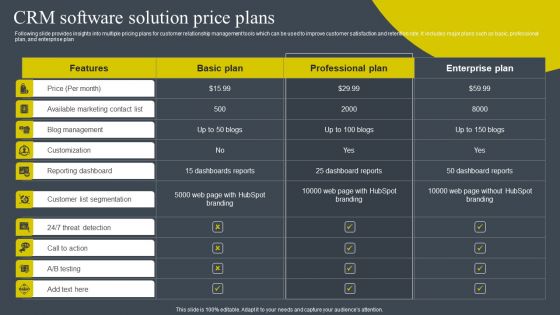
This article delves into the competitive edge that CRM solutions with RMM features provide. We’ll explore how this powerful combination streamlines operations, enhances customer support, improves IT infrastructure management, and ultimately drives business growth. We’ll also examine the key considerations for businesses looking to implement such a solution, ensuring they choose the right platform to maximize their return on investment and gain a significant advantage over their competitors.
Understanding the Fundamentals: CRM and RMM
Before diving into the integration benefits, it’s crucial to understand the individual functionalities of CRM and RMM systems.
What is CRM?
CRM, or Customer Relationship Management, is a technology for managing all your company’s relationships and interactions with customers and potential customers. A CRM system helps you stay connected to customers, streamline processes, and improve profitability. It’s designed to help businesses:
- Organize and automate sales processes
- Improve customer service and support
- Manage marketing campaigns
- Analyze customer data to identify trends and opportunities
Common CRM functionalities include contact management, lead tracking, sales automation, marketing automation, and reporting.
What is RMM?
RMM, or Remote Monitoring and Management, is a software solution used by IT service providers and internal IT departments to remotely monitor and manage their clients’ or organization’s IT infrastructure. It allows them to proactively identify and resolve issues before they impact end-users and business operations. RMM typically includes features such as:
- Remote access to devices
- Automated patching and updates
- Real-time monitoring of system performance
- Alerting and notification systems for potential issues
- Security monitoring and threat detection
RMM enables IT teams to efficiently manage a large number of devices and systems from a central location, reducing downtime and improving overall IT performance.
The Synergistic Power of CRM and RMM Integration
The true competitive edge lies in the seamless integration of CRM and RMM. This integration breaks down silos between sales, marketing, customer service, and IT, creating a unified view of the customer and their IT environment. Here’s how this synergy translates into tangible business benefits:. To enhance customer relationship strategies, consider Combining Crm & marketing automation for improved efficiency
Enhanced Customer Support
Imagine a customer calling with a complaint about slow website performance. With integrated CRM and RMM, the customer support agent can instantly access not only the customer’s profile and order history in the CRM but also real-time performance data from the RMM system. This allows them to quickly diagnose the issue, determine if it’s related to a wider IT problem, and provide a more informed and efficient solution. This leads to:
- Faster resolution times
- Improved customer satisfaction
- Reduced support costs
Proactive Problem Solving
RMM systems are designed to proactively identify and address potential IT issues before they escalate into major problems. When integrated with a CRM, this proactive approach can be extended to improve customer experiences. For example:
- If an RMM system detects a potential server overload that could impact a customer’s hosted application, the CRM can automatically trigger a notification to the customer, informing them of the issue and the steps being taken to resolve it.
- If a customer’s device is flagged for a security vulnerability, the CRM can be used to schedule a security audit or training session.
This proactive communication builds trust and demonstrates a commitment to customer success.
Improved Sales and Marketing Effectiveness
The integration of CRM and RMM can also provide valuable insights for sales and marketing teams. For example:. Now that we’ve established the challenges faced by modern IT departments, What Is Remote Monitoring and Management (RMM)?, offering a potential solution for streamlined operations and enhanced security
.
- RMM data can reveal which customers are experiencing recurring IT issues, making them prime candidates for upgrades or new services.
- CRM data can be used to personalize marketing campaigns based on a customer’s IT infrastructure and needs.
- Sales teams can use RMM data to identify potential upselling or cross-selling opportunities.
By leveraging the combined data from CRM and RMM, sales and marketing teams can more effectively target their efforts and improve their overall ROI.
Streamlined Operations and Reduced Costs
Integrating CRM and RMM can also lead to significant operational efficiencies and cost savings. By automating tasks such as patching, updates, and security monitoring, RMM frees up IT staff to focus on more strategic initiatives. The unified view of the customer provided by the integrated system also eliminates the need for manual data entry and reduces the risk of errors. This results in:
- Reduced IT costs
- Improved IT productivity
- Lower operational expenses
Choosing the Right CRM Solution with RMM Features
Selecting the right CRM solution with RMM features is a critical decision that requires careful consideration. Here are some key factors to keep in mind:
Integration Capabilities
The most important factor is the integration capabilities of the CRM and RMM systems. Ideally, you should choose a solution that offers a seamless and bi-directional integration, allowing data to flow freely between the two systems. Look for solutions that offer pre-built integrations or APIs that can be used to customize the integration to your specific needs.
Scalability and Flexibility
Choose a solution that can scale to meet your growing business needs. The solution should be flexible enough to adapt to changing business requirements and integrate with other systems in your IT environment. Consider whether a cloud-based or on-premise solution is the best fit for your organization.
Security
Security is paramount when dealing with sensitive customer and IT data. Ensure that the CRM and RMM solutions you choose have robust security features, including encryption, access controls, and regular security audits. Verify that the vendor complies with relevant industry regulations and standards.
User-Friendliness
The solution should be easy to use and intuitive for both IT staff and customer-facing employees. A user-friendly interface will encourage adoption and maximize the benefits of the integrated system. Look for solutions that offer training and support to help users get up to speed quickly. Navigating the complexities of customer relationship management begins with Guide Selecting Crm to ensure the best fit for your business needs
Vendor Reputation and Support
Choose a vendor with a strong reputation and a proven track record of providing reliable support. Look for vendors that offer 24/7 support and have a dedicated customer success team. Read online reviews and case studies to get a sense of the vendor’s customer service and support capabilities. For managed service providers aiming to enhance customer relationships, Best Crm Msps becomes a crucial consideration for operational efficiency and client satisfaction
Implementation Best Practices
Even the best CRM solution with RMM features will fail to deliver its full potential without proper implementation. Here are some best practices to ensure a successful implementation:
Define Clear Goals and Objectives
Before starting the implementation, clearly define your goals and objectives. What do you hope to achieve by integrating CRM and RMM? What metrics will you use to measure success? Having clear goals will help you stay focused and ensure that the implementation aligns with your business objectives.
Develop a Detailed Implementation Plan
Create a detailed implementation plan that outlines the steps involved, timelines, and responsibilities. Identify potential risks and develop mitigation strategies. Involve key stakeholders from IT, sales, marketing, and customer service in the planning process.
Data Migration and Integration
Carefully plan the migration of data from your existing systems to the new CRM and RMM solutions. Ensure that the data is clean, accurate, and consistent. Test the integration between the two systems thoroughly to ensure that data flows correctly. The strategic synergy achieved by integrating CRM and RMM solutions is Crm Rmm Unlocking the full potential of managed service providers
Training and Change Management
Provide comprehensive training to all users on the new CRM and RMM systems. Address any concerns or resistance to change. Communicate the benefits of the integrated system clearly and provide ongoing support to help users adapt to the new processes.
Monitor and Optimize
After implementation, continuously monitor the performance of the integrated system. Track key metrics and identify areas for improvement. Optimize the system to maximize its benefits and ensure that it continues to meet your evolving business needs.
Conclusion: Gaining a Sustainable Competitive Advantage
In conclusion, integrating CRM solutions with RMM features offers a powerful combination that can provide businesses with a significant competitive edge. By streamlining operations, enhancing customer support, improving IT infrastructure management, and enabling proactive problem solving, this integrated approach drives efficiency, strengthens customer relationships, and ultimately fuels business growth. While choosing and implementing the right solution requires careful planning and execution, the rewards are well worth the effort. Businesses that embrace this synergistic approach will be well-positioned to thrive in today’s increasingly competitive marketplace and build lasting customer loyalty.
Conclusion
In conclusion, the integration of CRM solutions with RMM features represents a significant paradigm shift in how businesses manage their customer relationships and IT infrastructure. We have seen how this synergy empowers organizations with a 360-degree view of their clients, enabling proactive support, personalized communication, and ultimately, enhanced customer satisfaction. By streamlining operations, automating tasks, and providing valuable insights, a combined CRM–RMM platform unlocks a competitive edge that is increasingly vital in today’s dynamic business landscape.
Reflecting on the key benefits discussed, from improved service delivery and increased efficiency to proactive problem resolution and enhanced data security, it’s clear that embracing this integrated approach is no longer a luxury but a necessity for businesses seeking sustainable growth. To discover how a tailored CRM solution with robust RMM features can transform your business and elevate your customer experience, we encourage you to explore the available options and contact us today at www.example.com/contact for a personalized consultation.
Frequently Asked Questions (FAQ) about The Competitive Edge of CRM Solutions with RMM Features
How can integrating a CRM solution with Remote Monitoring and Management (RMM) capabilities give my Managed Service Provider (MSP) a competitive edge in the market?
Integrating a CRM solution with RMM features provides MSPs with a significant competitive edge by streamlining operations and enhancing customer service. Firstly, it enables proactive issue resolution. RMM tools monitor client systems in real-time, alerting the MSP to potential problems before they escalate. This data is then fed directly into the CRM, allowing account managers to proactively contact clients with solutions, showcasing a commitment to preventative care. Secondly, it facilitates a 360-degree view of the client. All client interactions, support tickets, device statuses, and billing information are centralized within the CRM, empowering the MSP to provide personalized service and identify upselling opportunities. Finally, automated workflows between the CRM and RMM reduce manual tasks, freeing up technicians to focus on more strategic initiatives and improving overall efficiency. This combination leads to increased client satisfaction, reduced churn, and ultimately, a stronger market position.
What are the key benefits of using a CRM solution that includes or integrates with RMM features, particularly in terms of improving customer retention for an MSP?
A CRM solution integrated with RMM features offers numerous benefits for MSPs looking to improve customer retention. One major advantage is enhanced proactive support. The RMM tool monitors client systems, and any alerts are automatically logged in the CRM. This allows the MSP to address issues before the client even notices them, demonstrating responsiveness and preventing potential downtime. Another benefit lies in improved communication. With a centralized view of all client interactions and system statuses, account managers can engage in more informed and personalized conversations, building stronger relationships. Moreover, integrated reporting provides valuable insights into client needs and pain points. This data can be used to tailor services and solutions, demonstrating a commitment to understanding and meeting each client’s unique requirements. This proactive approach, combined with personalized service, significantly boosts customer satisfaction and loyalty, leading to improved retention rates.
What specific RMM features should I look for when choosing a CRM solution to ensure it effectively enhances my MSP’s ability to manage and support client networks?
When selecting a CRM solution with RMM features, several key functionalities are crucial for effectively managing and supporting client networks. Firstly, real-time monitoring and alerting are essential. The RMM should continuously monitor system performance, security vulnerabilities, and application health, generating alerts for critical issues. Secondly, automated remediation capabilities are vital. The system should be able to automatically resolve common problems, such as restarting services or applying patches, reducing manual intervention. Thirdly, comprehensive reporting and analytics provide valuable insights into network performance and security trends, allowing for proactive problem identification and resource allocation. Look for features like asset discovery, remote access, patch management, and software deployment. Finally, ensure seamless integration with the CRM system for a unified view of client data and streamlined workflows. A robust RMM component empowers MSPs to deliver proactive, efficient, and reliable support, ultimately enhancing client satisfaction and retention. Streamlining workflows and enhancing efficiency are key benefits, Crm Rmm Integration allows for a unified view of customer interactions and IT service management