
In today’s competitive business landscape, understanding your customers is paramount. Customer Relationship Management (CRM) systems have become essential tools for managing interactions and data throughout the customer lifecycle. However, CRM data alone often paints an incomplete picture. To truly optimize customer experiences and drive business growth, integrating CRM with other data sources, such as Remote Monitoring and Management (RMM) platforms, is crucial. RMM systems, traditionally used by managed service providers (MSPs) to monitor and maintain IT infrastructure, hold a wealth of information that can significantly enhance CRM insights.
Imagine knowing not only that a customer contacted support about a specific software issue, but also understanding the underlying technical problem that triggered the support request. This is the power of combining CRM and RMM data. By merging these two data streams, businesses can gain a holistic view of their customers, enabling them to proactively address issues, personalize interactions, and ultimately improve customer satisfaction and loyalty. This integration transforms CRM from a reactive tool into a proactive engine for customer success.
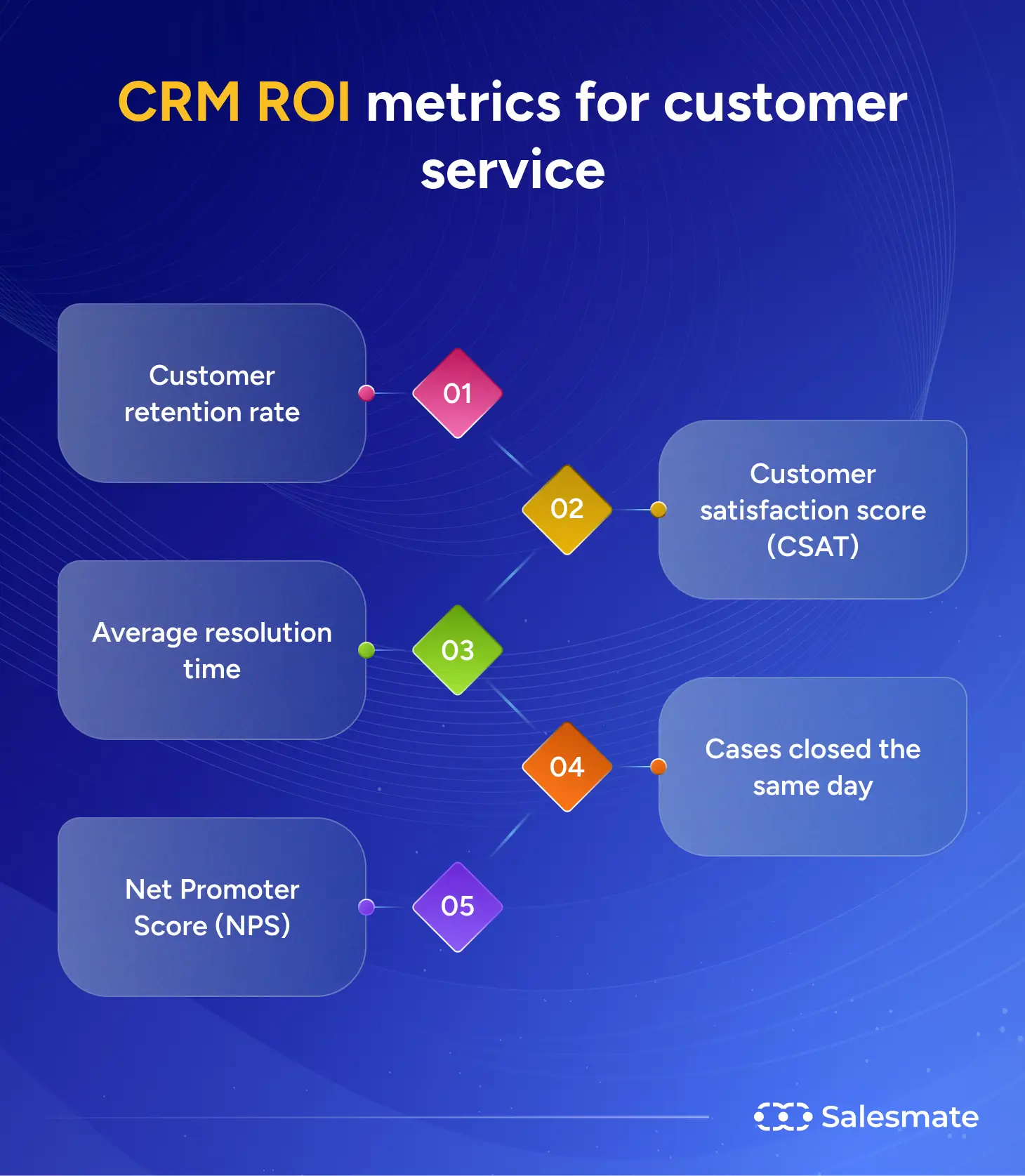
This article will delve into the essential CRM metrics that can be significantly enhanced by incorporating RMM data. We will explore how RMM data provides valuable context to CRM information, leading to more accurate insights, improved decision-making, and ultimately, a stronger bottom line. We will also discuss the practical applications of this integration, showcasing how businesses can leverage this combined data to optimize their sales, marketing, and support efforts. By understanding the synergy between CRM and RMM, businesses can unlock a new level of customer understanding and achieve sustainable growth.
Essential CRM Metrics Enhanced by RMM Data
CRM systems track a variety of metrics to measure customer engagement, sales performance, and marketing effectiveness. However, these metrics often lack the technical context that RMM data can provide. By integrating RMM data, businesses can gain a deeper understanding of the “why” behind customer behavior and improve the accuracy and actionability of their CRM metrics.
Customer Lifetime Value (CLTV)
Customer Lifetime Value (CLTV) is a crucial metric that predicts the total revenue a customer is expected to generate throughout their relationship with a business. While CRM data provides information on past purchases and interactions, RMM data can offer insights into the stability and performance of the products or services the customer is using. For example, frequent technical issues revealed by RMM could indicate a higher risk of churn, negatively impacting CLTV. Conversely, consistently high uptime and performance could suggest a loyal customer with a higher potential CLTV. By incorporating RMM data, businesses can refine their CLTV calculations and identify customers who may require proactive intervention to prevent churn or upsell opportunities based on their successful use of the product.
Customer Churn Rate
Customer churn rate measures the percentage of customers who stop doing business with a company over a specific period. CRM data can identify customers who have stopped making purchases or have closed their accounts. However, RMM data can provide early warning signs of potential churn. For instance, consistent performance issues, frequent errors, or unresolved technical problems detected by RMM can indicate customer dissatisfaction and a higher likelihood of churn. By monitoring RMM data for these red flags, businesses can proactively reach out to at-risk customers, address their concerns, and prevent them from churning. This proactive approach can significantly reduce churn rates and improve customer retention.
Customer Satisfaction (CSAT) and Net Promoter Score (NPS)
Customer Satisfaction (CSAT) and Net Promoter Score (NPS) are key indicators of customer happiness and loyalty. While CRM data captures feedback through surveys and customer service interactions, RMM data can provide objective insights into the customer experience. For example, if a customer reports a low CSAT score, RMM data can be used to investigate the underlying technical issues that may have contributed to their dissatisfaction. Similarly, if a customer is a detractor (low NPS score), RMM data can help identify areas for improvement in the product or service. By combining subjective feedback from CRM with objective technical data from RMM, businesses can gain a more comprehensive understanding of customer satisfaction and identify actionable steps to improve it.
Support Ticket Resolution Time
Support ticket resolution time measures the average time it takes to resolve a customer support issue. CRM data tracks the time it takes for support agents to respond to and resolve tickets. However, RMM data can provide valuable context to this metric. For example, RMM data can help diagnose the root cause of the issue, allowing support agents to resolve tickets more quickly and efficiently. Additionally, RMM data can identify recurring issues that may require a more permanent fix, preventing future support tickets. By integrating RMM data, businesses can reduce support ticket resolution times, improve customer satisfaction, and free up support agents to focus on more complex issues.
Upsell and Cross-Sell Opportunities
Identifying upsell and cross-sell opportunities is crucial for driving revenue growth. CRM data provides information on past purchases and customer preferences. However, RMM data can provide insights into the customer’s usage patterns and technical needs. For example, if a customer is consistently exceeding the limits of their current product or service, RMM data can identify this and trigger an upsell opportunity. Similarly, if a customer is using a specific feature or integration, RMM data can identify complementary products or services that may be of interest. By combining CRM and RMM data, businesses can identify more targeted and relevant upsell and cross-sell opportunities, increasing sales conversion rates and revenue.
Practical Applications of CRM and RMM Integration
The integration of CRM and RMM data offers numerous practical applications across various business functions, including sales, marketing, and support.
Proactive Customer Support
By monitoring RMM data for potential issues, businesses can proactively reach out to customers before they even experience a problem. This proactive approach can prevent downtime, improve customer satisfaction, and reduce support ticket volume. For example, if RMM data indicates that a customer’s server is running low on disk space, the business can proactively notify the customer and offer assistance with expanding their storage capacity. This proactive support demonstrates a commitment to customer success and builds trust. The landscape of proactive care shifts as Remote Monitoring Meets cutting-edge diagnostic capabilities
Personalized Marketing Campaigns
RMM data can be used to personalize marketing campaigns based on the customer’s technical needs and usage patterns. For example, if a customer is using a specific software application, the business can send them targeted marketing messages about related products or services. Similarly, if a customer is experiencing performance issues, the business can offer them solutions to improve their system performance. This personalized approach increases the relevance of marketing messages and improves conversion rates.
Improved Sales Effectiveness
By providing sales teams with access to RMM data, businesses can empower them to have more informed and productive conversations with customers. Sales representatives can use RMM data to understand the customer’s technical environment, identify potential pain points, and tailor their sales pitches accordingly. This data-driven approach improves sales effectiveness and increases the likelihood of closing deals.
Enhanced Account Management
RMM data can provide account managers with a comprehensive view of their customers’ technical health and performance. This allows them to proactively identify and address potential issues, build stronger relationships with customers, and ensure their long-term success. By leveraging RMM data, account managers can become trusted advisors to their customers and drive customer loyalty. Having established the landscape of modern IT challenges, What Is Remote Monitoring and Management (RMM)? helps businesses address these complexities proactively
.
Challenges and Considerations
While the integration of CRM and RMM data offers significant benefits, there are also some challenges and considerations to keep in mind.
Data Security and Privacy
Integrating CRM and RMM data requires careful attention to data security and privacy. Businesses must ensure that sensitive customer data is protected from unauthorized access and that they comply with all relevant privacy regulations. Implementing robust security measures and establishing clear data governance policies are essential for protecting customer data. Managing customer relationships and remote monitoring and management separately can create data silos, so a Crm Rmm Integration is essential for a unified view of operations
Data Integration Complexity
Integrating CRM and RMM systems can be technically complex, requiring expertise in data integration and API development. Businesses may need to invest in specialized tools or hire experienced developers to facilitate the integration process. Choosing platforms with open APIs and well-documented integration capabilities can simplify the process.
Data Quality and Accuracy
The accuracy and quality of both CRM and RMM data are crucial for deriving meaningful insights. Businesses must implement data quality control measures to ensure that the data is accurate, complete, and consistent. Regular data cleansing and validation are essential for maintaining data quality.
Training and Adoption
To effectively leverage the integrated CRM and RMM data, businesses must train their employees on how to use the new tools and interpret the data. This training should focus on the practical applications of the integration and how it can improve their daily workflows. Encouraging adoption and demonstrating the value of the integration are essential for maximizing its benefits.
Conclusion
Integrating CRM and RMM data offers a powerful way to enhance customer understanding, improve business processes, and drive revenue growth. By combining the customer-centric insights of CRM with the technical data from RMM, businesses can gain a holistic view of their customers, proactively address issues, personalize interactions, and ultimately improve customer satisfaction and loyalty. While there are challenges to consider, the benefits of this integration far outweigh the risks. By embracing this data-driven approach, businesses can unlock a new level of customer understanding and achieve sustainable success in today’s competitive market.
The key takeaway is that CRM is not a standalone solution, but rather a central hub that can be significantly enhanced by integrating with other data sources. RMM data provides a unique and valuable perspective that can transform CRM from a reactive tool into a proactive engine for customer success. As businesses continue to embrace digital transformation, the integration of CRM and RMM will become increasingly essential for maintaining a competitive edge and building lasting customer relationships. Ultimately, the success of a managed service provider often hinges on making the right decision when Crm Rmm Choosing a suitable software solution
Ultimately, the success of this integration hinges on a commitment to data-driven decision-making and a willingness to invest in the necessary tools and training. By embracing this approach, businesses can unlock the full potential of their CRM systems and achieve significant improvements in customer satisfaction, retention, and revenue growth.
Conclusion
In conclusion, the synergy between CRM and RMM data presents a powerful opportunity for businesses seeking to optimize customer relationships and drive revenue growth. By integrating the rich, contextual information provided by RMM platforms with the structured data within CRM systems, organizations gain a holistic view of their customer interactions, infrastructure health, and service delivery performance. This enhanced visibility allows for proactive problem-solving, personalized communication, and ultimately, a superior customer experience that fosters loyalty and advocacy.
The insights gleaned from this integration, such as identifying at-risk clients through performance metrics or tailoring service offerings based on usage patterns, are invaluable for making informed decisions and maximizing the return on investment in both CRM and RMM technologies. Embracing this data-driven approach is no longer a luxury but a necessity for businesses aiming to thrive in today’s competitive landscape. To unlock the full potential of your customer relationships, we encourage you to explore how integrating your CRM and RMM systems can transform your business. Learn more about specific integration strategies and best practices by visiting our resource page today.
Frequently Asked Questions (FAQ) about Essential CRM Metrics Enhanced by RMM Data
How can integrating Remote Monitoring and Management (RMM) data into my Customer Relationship Management (CRM) system improve customer retention rate and reduce churn?
Integrating RMM data into your CRM provides a much more comprehensive view of your customer’s IT environment and overall experience. For example, RMM data can proactively alert you to potential issues like server downtime, security vulnerabilities, or performance bottlenecks before they impact the customer. This proactive approach allows you to address problems quickly, minimizing disruption and demonstrating your commitment to their success. By resolving issues swiftly and efficiently, you increase customer satisfaction and build stronger relationships, leading to improved customer retention rate and significantly reducing the likelihood of churn. Furthermore, the combined data allows for targeted communication, offering relevant solutions and support based on their specific infrastructure needs.
What specific RMM data points, when combined with CRM, can most effectively improve first call resolution (FCR) for IT service providers and how does it impact customer satisfaction?
Several RMM data points significantly contribute to improved first call resolution (FCR) when integrated with CRM. These include: device health status (CPU usage, memory utilization, disk space), software inventory (installed applications, versions, patches), security status (antivirus status, firewall configuration), and network performance metrics (latency, bandwidth). By having this data readily available within the CRM system, support agents can quickly diagnose the root cause of issues without needing to remotely access the customer’s system during the initial call. This reduces resolution time and increases efficiency. Improved FCR directly correlates with higher customer satisfaction because customers experience faster problem resolution and reduced downtime. Knowing the customer’s environment intimately also allows for more personalized and effective support, further enhancing their experience. Successfully integrating your systems often requires Crm Rmm Unlocking new levels of efficiency
How can I leverage RMM data within my CRM to identify upselling and cross-selling opportunities for my managed services offerings and improve average revenue per user (ARPU)?
RMM data, when integrated with CRM, provides valuable insights for identifying upselling and cross-selling opportunities. For example, RMM data might reveal that a customer is consistently exceeding their current storage capacity, indicating a need for additional storage solutions or cloud services. Or, it might show that a customer is running outdated software versions, creating an opportunity to offer managed patching and security updates. By analyzing the combined data, you can identify specific pain points and proactively offer solutions that address those needs. These targeted offers are more likely to resonate with customers, leading to increased sales and improved average revenue per user (ARPU). Furthermore, this proactive approach demonstrates a commitment to their long-term success, strengthening the relationship and fostering customer loyalty. To effectively manage customer relationships and streamline revenue processes, understanding the nuances of Roi Crm Rmm is essential for business success