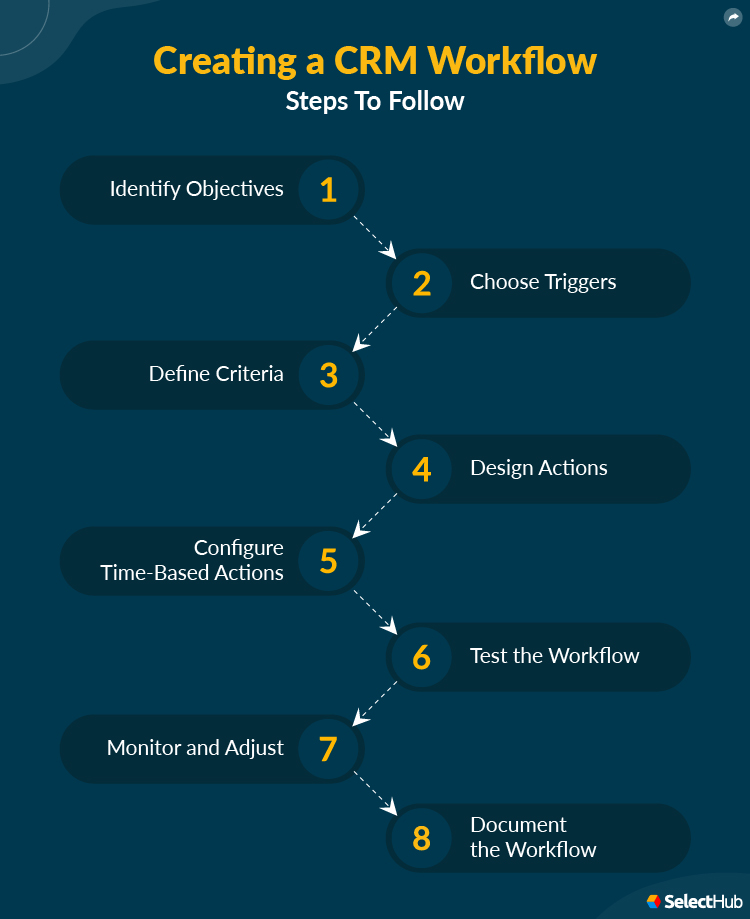
In today’s fast-paced managed services landscape, efficiency and proactive issue resolution are paramount. Juggling multiple platforms for client communication, device monitoring, and ticketing can lead to information silos, delayed responses, and ultimately, dissatisfied clients. A robust CRM–RMM workflow bridges this gap, centralizing critical information and enabling MSPs to deliver exceptional service. By integrating Customer Relationship Management (CRM) and Remote Monitoring and Management (RMM) tools, MSPs can transform reactive troubleshooting into proactive problem-solving, fostering stronger client relationships and driving business growth.
The integration of CRM and RMM isn’t just about convenience; it’s about strategic advantage. Imagine a scenario where a critical server alert triggers a ticket in your RMM. Without CRM integration, your team might scramble to identify the affected client, their service level agreement (SLA), and relevant contact information. This wasted time can be crucial, especially when dealing with time-sensitive issues. With a well-integrated system, all this information is readily available, allowing your team to respond swiftly and effectively, minimizing downtime and maximizing client satisfaction.

This article will explore the benefits of a streamlined CRM–RMM workflow, delve into the key functionalities that drive efficiency, and provide practical guidance on how to implement and optimize this powerful integration for your MSP. We’ll discuss the common challenges and best practices to ensure a smooth transition and unlock the full potential of your CRM and RMM investments. Ultimately, the goal is to equip you with the knowledge to create a unified system that empowers your team, enhances client communication, and drives sustainable growth for your business.
Understanding CRM and RMM: A Foundation for Integration
Before diving into the specifics of integration, let’s establish a clear understanding of CRM and RMM and their individual roles within an MSP.
Customer Relationship Management (CRM)
A CRM system is the central hub for managing all interactions with your clients and prospects. It provides a comprehensive view of each client, including their contact information, service agreements, communication history, billing details, and any other relevant information. A robust CRM helps MSPs:. Optimizing your sales process necessitates a focus on key performance indicators, where understanding Roi Crm Rmm becomes crucial for maximizing profitability
- Manage client relationships: Track interactions, schedule follow-ups, and personalize communication.
- Improve sales processes: Manage leads, track opportunities, and streamline the sales cycle.
- Enhance customer service: Provide quick access to client information, enabling faster and more efficient support.
- Improve marketing efforts: Segment clients for targeted campaigns and track marketing effectiveness.
Popular CRM solutions for MSPs include ConnectWise Manage, Autotask PSA, Salesforce, and HubSpot.
Remote Monitoring and Management (RMM)
RMM tools provide MSPs with the ability to remotely monitor and manage their clients’ IT infrastructure. They offer real-time visibility into the health and performance of servers, workstations, network devices, and other critical systems. Key functionalities of an RMM include:
- Remote monitoring: Continuously monitor devices for performance issues, security threats, and other potential problems.
- Remote access: Provide remote support and troubleshooting to clients without needing to be physically present.
- Patch management: Automate the deployment of software updates and security patches to keep systems secure.
- Automation: Automate routine tasks such as software installations, script execution, and system maintenance.
- Alerting: Generate alerts when issues are detected, allowing MSPs to proactively address problems before they impact clients.
Common RMM platforms used by MSPs include ConnectWise Automate, Datto RMM, N-able N-sight RMM, and NinjaOne. Selecting a suitable technology solution involves considering various factors, and evaluating Best Crm Msps can significantly streamline operations
The Power of CRM–RMM Integration: Streamlining Workflows
The true power of CRM and RMM lies in their integration. By connecting these two systems, MSPs can create a unified workflow that streamlines operations, improves efficiency, and enhances client satisfaction.
Centralized Information and Enhanced Visibility
A key benefit of CRM–RMM integration is the centralization of client information. When an alert is triggered in the RMM, the system automatically identifies the affected client in the CRM, providing technicians with immediate access to relevant details such as:
- Client contact information: Quickly reach the appropriate contact person.
- Service Level Agreements (SLAs): Ensure adherence to agreed-upon response times and service levels.
- Contract details: Understand the scope of services covered under the client’s contract.
- Communication history: Review previous interactions with the client to gain context.
- Device information: Access detailed information about the affected device, including its configuration, software installed, and performance metrics.
This centralized visibility eliminates the need to switch between multiple systems, saving time and reducing the risk of errors. As technology advances, the concept of Remote Monitoring Meets predictive maintenance is gaining traction
Automated Ticketing and Issue Resolution
Integration enables automated ticketing. When an RMM alert is triggered, a ticket is automatically created in the CRM, pre-populated with relevant information such as the affected client, device, and issue description. This eliminates manual ticket creation, saving time and ensuring that all issues are properly tracked.
Furthermore, the integration can facilitate faster issue resolution by providing technicians with the context they need to quickly diagnose and resolve problems. They can remotely access the affected device, review performance metrics, and execute scripts to remediate the issue – all from within the CRM. Navigating the software landscape requires careful consideration, so understanding Crm Rmm Choosing is crucial for business success
Proactive Monitoring and Preventative Maintenance
CRM–RMM integration empowers MSPs to move from reactive troubleshooting to proactive monitoring and preventative maintenance. By leveraging the data collected by the RMM, MSPs can identify potential issues before they impact clients. For example, if the RMM detects that a server is running low on disk space, the MSP can proactively address the issue before it causes a service disruption.
This proactive approach improves client satisfaction, reduces downtime, and strengthens the MSP‘s reputation as a reliable and trustworthy partner.
Improved Communication and Client Satisfaction
A unified CRM–RMM workflow enhances communication with clients. When an issue is detected and a ticket is created, the system can automatically notify the client via email or SMS. The client can then track the progress of the ticket through the CRM portal, providing them with transparency and peace of mind.
Furthermore, the integration enables MSPs to personalize communication based on the client’s specific needs and preferences. For example, the system can automatically include relevant device information in communication, or it can route tickets to specific technicians based on their expertise.
Implementing a CRM–RMM Workflow: Best Practices
Implementing a successful CRM–RMM workflow requires careful planning and execution. Here are some best practices to consider:
Choose the Right Integration
Not all CRM and RMM integrations are created equal. Some integrations offer basic functionality, while others provide more advanced features. It’s important to choose an integration that meets your specific needs and requirements.
Consider the following factors when selecting an integration:
- Functionality: Does the integration offer the features you need, such as automated ticketing, centralized information, and proactive monitoring?
- Compatibility: Is the integration compatible with your existing CRM and RMM systems?
- Scalability: Can the integration scale to meet your growing business needs?
- Cost: What is the cost of the integration, including any setup fees, monthly fees, or ongoing maintenance costs?
Configure the Integration Properly
Once you’ve chosen an integration, it’s important to configure it properly. This includes mapping fields between the CRM and RMM, setting up automated ticketing rules, and configuring alerts.
Pay close attention to the following:
- Field mapping: Ensure that the fields in your CRM and RMM are properly mapped to each other. This will ensure that data is accurately transferred between the two systems.
- Ticketing rules: Define rules for automatically creating tickets based on RMM alerts. This will ensure that all issues are properly tracked.
- Alerting: Configure alerts to notify you when critical issues are detected. This will allow you to proactively address problems before they impact clients.
Train Your Team
A successful CRM–RMM workflow requires proper training for your team. Technicians need to understand how to use the integrated system to efficiently resolve issues and communicate with clients. Sales and marketing teams should understand how the integration can improve lead generation and customer engagement.
Provide comprehensive training on the following:
- Using the integrated system: Teach your team how to navigate the CRM and RMM, access client information, create tickets, and resolve issues.
- Following established workflows: Ensure that your team understands and follows the established CRM–RMM workflows.
- Communicating with clients: Train your team on how to effectively communicate with clients about issues and resolutions.
Monitor and Optimize the Workflow
Implementing a CRM–RMM workflow is not a one-time event. It’s an ongoing process that requires continuous monitoring and optimization. Regularly review the workflow to identify areas for improvement and make adjustments as needed.
Consider the following:
- Track key metrics: Monitor metrics such as ticket resolution time, client satisfaction, and proactive issue resolution rate.
- Gather feedback: Solicit feedback from your team and clients to identify areas for improvement.
- Stay up-to-date: Keep abreast of the latest CRM and RMM features and updates to ensure that you are leveraging the full potential of your integrated system.
Common Challenges and Solutions
While CRM–RMM integration offers significant benefits, it’s not without its challenges. Here are some common challenges and potential solutions:
Data Synchronization Issues
Challenge: Data synchronization issues can occur if the CRM and RMM are not properly integrated, leading to inconsistencies and errors. Having established the need for proactive IT oversight, What Is Remote Monitoring and Management (RMM)? allows for a more detailed look into the tools and processes involved
.
Solution: Ensure that the CRM and RMM are properly integrated and that data is synchronized regularly. Implement data validation rules to prevent errors.
Integration Complexity
Challenge: Integrating CRM and RMM systems can be complex, especially for organizations with limited IT resources.
Solution: Choose an integration that is easy to implement and manage. Consider working with a consultant or partner who has experience with CRM–RMM integration.
User Adoption
Challenge: Getting users to adopt the new integrated system can be challenging, especially if they are used to working with separate CRM and RMM systems. Evaluating Top Crm Tools is crucial when deciding on the right system for managing customer relationships
Solution: Provide comprehensive training and support to users. Highlight the benefits of the integrated system and address any concerns they may have.
Conclusion: Embracing the Future of Managed Services
In conclusion, a well-integrated CRM–RMM workflow is essential for MSPs looking to streamline operations, enhance client communication, and drive business growth. By centralizing information, automating tasks, and proactively addressing issues, MSPs can deliver exceptional service and build stronger client relationships. While implementation may present challenges, the benefits of a unified system far outweigh the obstacles. By carefully planning, choosing the right integration, and providing proper training, MSPs can unlock the full potential of their CRM and RMM investments and embrace the future of managed services.
Conclusion
In conclusion, streamlining the workflow between your CRM and RMM platforms offers a significant advantage in today’s competitive managed services landscape. By centralizing client communication and device alerts, MSPs can achieve greater efficiency, improved service quality, and ultimately, increased profitability. The ability to proactively address potential issues, coupled with a unified view of client information, allows for a more personalized and effective approach to IT management, fostering stronger client relationships and driving business growth.
The benefits of integrating CRM and RMM are clear: enhanced responsiveness, reduced operational costs, and a more proactive service delivery model. We encourage you to explore the integration options available for your existing CRM and RMM solutions. Investing in this streamlined workflow is an investment in the future of your MSP. Discover how a centralized approach can transform your business by visiting our website and scheduling a demo to see the power of a unified CRM–RMM workflow in action: Learn More About CRM–RMM Integration.
Frequently Asked Questions (FAQ) about CRM-RMM Workflow: Centralizing Client Communication and Device Alerts
How does integrating my CRM and RMM platforms improve client communication and reduce response time to device alerts?
Integrating your CRM (Customer Relationship Management) and RMM (Remote Monitoring and Management) platforms significantly enhances client communication and speeds up response times to device alerts by centralizing critical information. When an RMM tool detects a problem, like a server outage or a security threat, the integration can automatically trigger a notification within the CRM system. This allows support staff to immediately see the affected client, their service agreements, and relevant contact information, all in one place. Instead of manually cross-referencing systems, technicians can quickly understand the context of the alert and proactively reach out to the client. This streamlined workflow reduces the time to resolution and improves client satisfaction by demonstrating a proactive and efficient approach to IT support.
What are the key benefits of centralizing client communication and device alerts through a CRM-RMM workflow for managed service providers (MSPs)?
Centralizing client communication and device alerts using a CRM-RMM workflow offers numerous benefits for Managed Service Providers (MSPs). Firstly, it improves operational efficiency by automating alert routing and reducing manual tasks, freeing up technicians to focus on problem resolution rather than data gathering. Secondly, it enhances client satisfaction by providing faster response times and proactive communication, leading to stronger client relationships and improved retention. Thirdly, it provides better data visibility, allowing MSPs to track alert trends, identify recurring issues, and optimize service delivery. This integrated approach also supports more effective reporting and analytics, providing valuable insights into service performance and client needs. Finally, it can improve security posture by ensuring that critical alerts are addressed promptly and consistently.
What specific types of device alerts from an RMM system should be automatically integrated into a CRM system for effective client communication?
To ensure effective client communication, certain critical device alerts from an RMM system should be automatically integrated into the CRM system. These include alerts related to server outages, which directly impact client operations and require immediate notification. Security threats, such as malware detection or intrusion attempts, should also trigger immediate CRM integration to facilitate proactive communication about potential risks and remediation steps. Furthermore, alerts regarding storage capacity issues, indicating potential data loss or performance degradation, warrant prompt client notification. Backup failures are also crucial, as they compromise data recovery capabilities. Finally, alerts related to critical software updates or patches should be integrated to inform clients about necessary maintenance and security enhancements. By integrating these key alerts, MSPs can proactively manage client environments and maintain open communication channels.