
In today’s dynamic IT landscape, businesses are constantly seeking ways to optimize operations, improve efficiency, and enhance customer satisfaction. Enterprise IT Management, encompassing both IT infrastructure management and customer relationship management, plays a pivotal role in achieving these goals. However, these functions are often siloed, leading to inefficiencies and missed opportunities. The convergence of Customer Relationship Management (CRM) and Remote Monitoring and Management (RMM) platforms presents a powerful solution, promising significant improvements in service delivery, proactive problem resolution, and ultimately, a substantial return on investment (ROI).
Imagine a scenario where your IT support team is immediately alerted to a critical server outage and, simultaneously, the CRM system identifies all customers potentially impacted by this outage. This integrated view allows for proactive communication, personalized support, and minimized disruption. This is just one example of the power of CRM–RMM convergence. By breaking down the walls between customer data and IT infrastructure data, businesses can gain a 360-degree view of their operations, leading to more informed decisions and more effective service delivery.
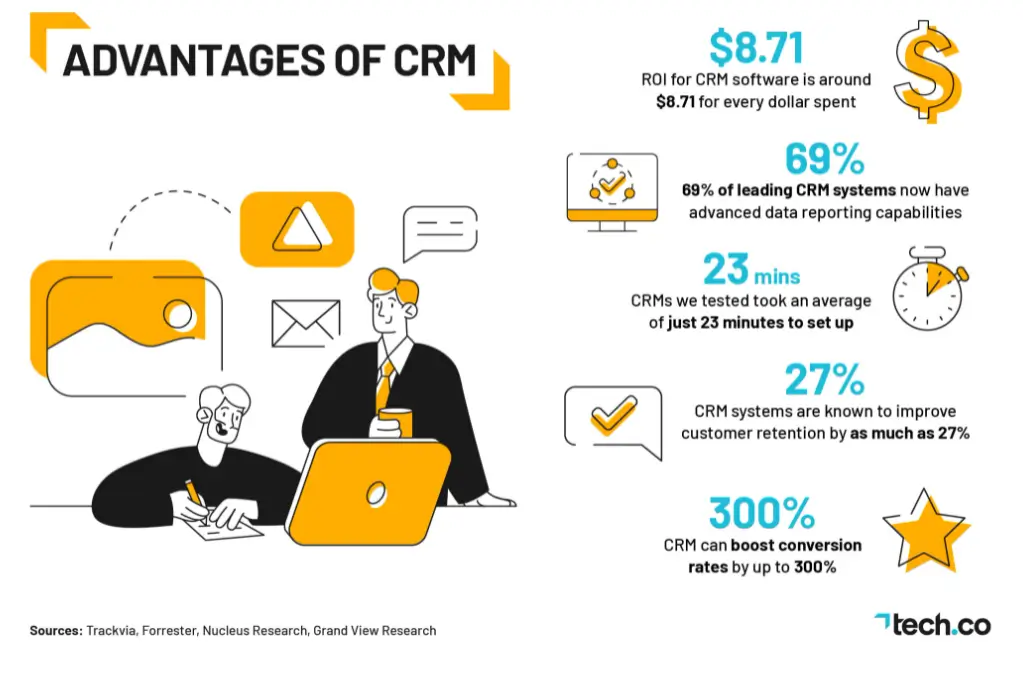
This article delves into the tangible benefits and ROI of CRM–RMM convergence for enterprise IT management. We will explore how this integration streamlines workflows, enhances customer experience, improves operational efficiency, and ultimately drives business growth. We will also discuss the key considerations for implementing a converged CRM–RMM solution and highlight best practices for maximizing its value. By understanding the potential of this powerful combination, businesses can transform their IT management practices and unlock a new level of efficiency and customer satisfaction.
Understanding CRM and RMM: A Foundation for Convergence
Before diving into the specifics of convergence, it’s crucial to understand the individual roles of CRM and RMM platforms.
Customer Relationship Management (CRM)
CRM systems are designed to manage and analyze customer interactions and data throughout the customer lifecycle. They provide a centralized repository for customer information, including contact details, communication history, purchase records, and support tickets. Key functionalities of a CRM system include:
- Contact Management: Organizing and tracking customer information.
- Sales Automation: Streamlining the sales process from lead generation to deal closure.
- Marketing Automation: Automating marketing campaigns and tracking their effectiveness.
- Customer Service: Managing customer support requests and resolving issues.
- Reporting and Analytics: Providing insights into customer behavior and business performance.
Leading CRM platforms include Salesforce, Microsoft Dynamics 365, Zoho CRM, and HubSpot CRM.
Remote Monitoring and Management (RMM)
RMM platforms are used by IT service providers (MSPs) and internal IT departments to remotely monitor and manage IT infrastructure, including servers, workstations, networks, and applications. RMM tools provide real-time visibility into the health and performance of IT systems, enabling proactive problem detection and resolution. Key functionalities of an RMM system include:
- Remote Monitoring: Continuously monitoring IT systems for performance issues and security threats.
- Remote Access: Providing secure remote access to IT systems for troubleshooting and maintenance.
- Patch Management: Automating the deployment of software updates and security patches.
- Automation: Automating routine IT tasks to improve efficiency.
- Alerting and Reporting: Generating alerts for critical issues and providing comprehensive reports on IT infrastructure performance.
Popular RMM platforms include ConnectWise Automate, Datto RMM, N-able N-sight RMM, and Kaseya VSA.
The Power of Convergence: Bridging the Gap
The convergence of CRM and RMM platforms involves integrating these two systems to create a unified view of customer and IT infrastructure data. This integration enables businesses to:
Gain a 360-Degree View of the Customer
By linking customer data in the CRM with IT infrastructure data in the RMM, businesses can gain a comprehensive understanding of each customer’s environment. This includes knowing which devices they use, which applications they rely on, and what services they subscribe to. This holistic view empowers IT teams to provide more personalized and proactive support.
Proactive Problem Resolution
When an issue arises within the IT infrastructure (detected by the RMM), the integrated system can automatically identify the affected customers (through the CRM). This allows IT teams to proactively notify customers about the issue, explain the steps being taken to resolve it, and provide estimated resolution times. This proactive communication minimizes disruption and enhances customer satisfaction.
Streamlined Service Delivery
CRM–RMM convergence streamlines service delivery by automating many manual tasks and improving communication between IT teams and customers. For example, when a customer submits a support ticket through the CRM, the system can automatically gather relevant information from the RMM, such as device specifications and recent performance data. This reduces the time it takes to diagnose and resolve issues.
Improved Operational Efficiency
By automating tasks and improving communication, CRM–RMM convergence can significantly improve operational efficiency. IT teams can resolve issues faster, reduce downtime, and free up time to focus on more strategic initiatives. Furthermore, the integrated data provides valuable insights into IT infrastructure performance, allowing businesses to identify areas for improvement and optimize resource allocation.
Calculating the ROI of CRM–RMM Convergence
The ROI of CRM–RMM convergence can be significant, but it’s important to quantify the benefits to justify the investment. Here are some key areas to consider when calculating the ROI:
Reduced Downtime
Downtime can be costly, impacting productivity and revenue. By enabling proactive problem resolution, CRM–RMM convergence can significantly reduce downtime. Calculate the cost of downtime per hour and estimate the reduction in downtime achieved through convergence. Consider factors such as lost productivity, revenue loss, and potential damage to reputation.
Increased Efficiency
CRM–RMM convergence can improve efficiency by automating tasks, streamlining workflows, and improving communication. Quantify the time savings achieved through automation and improved communication. Consider factors such as reduced time to resolve issues, reduced manual effort, and improved team productivity.
Enhanced Customer Satisfaction
Enhanced customer satisfaction leads to increased customer retention and referrals. CRM–RMM convergence can improve customer satisfaction by providing proactive support, faster issue resolution, and more personalized service. Measure customer satisfaction before and after implementing CRM–RMM convergence using surveys or other feedback mechanisms. A small increase in customer retention can have a large impact on revenue.
Reduced Support Costs
By resolving issues faster and providing proactive support, CRM–RMM convergence can reduce support costs. Track the number of support tickets, the average time to resolve tickets, and the cost per ticket before and after implementing CRM–RMM convergence. Consider factors such as reduced labor costs and improved resource utilization.
Improved Sales and Marketing Effectiveness
The integrated data from CRM and RMM can provide valuable insights into customer needs and preferences, enabling more targeted sales and marketing efforts. Track sales conversion rates, marketing campaign effectiveness, and customer acquisition costs before and after implementing CRM–RMM convergence. Consider factors such as increased lead generation and improved customer engagement.
Example ROI Calculation
Let’s say a company experiences an average of 10 hours of downtime per month, costing them $5,000 per hour in lost productivity and revenue. By implementing CRM–RMM convergence, they reduce downtime by 50%, saving them 5 hours per month or $25,000. Additionally, they improve efficiency by 20%, saving them 40 hours of labor per month at a cost of $50 per hour, or $2,000. Furthermore, they see a 5% increase in customer retention, leading to an additional $10,000 in revenue per year. The total annual ROI would be:
(($25,000 12) + ($2,000 12) + $10,000) – (Cost of CRM–RMM Convergence) = ROI
Implementing CRM–RMM Convergence: Key Considerations
Implementing CRM–RMM convergence requires careful planning and execution. Here are some key considerations:
Choosing the Right Platform
Select CRM and RMM platforms that offer seamless integration capabilities. Look for platforms with pre-built integrations or APIs that allow for easy data exchange. Consider factors such as scalability, security, and ease of use. Having established the general landscape of IT support, What Is Remote Monitoring and Management (RMM)? becomes crucial for efficiently managing these distributed systems
.
Defining Clear Goals and Objectives
Before implementing CRM–RMM convergence, define clear goals and objectives. What specific problems are you trying to solve? What improvements are you hoping to achieve? Having clear goals will help you measure the success of your implementation and ensure that you are getting the most value from your investment.
Data Mapping and Integration
Carefully map the data fields in your CRM and RMM systems to ensure accurate and consistent data transfer. Develop a comprehensive integration plan that outlines how data will be synchronized and updated between the two systems. Consider using a data integration platform to simplify the integration process.
Training and Adoption
Provide adequate training to your IT teams and other stakeholders on how to use the converged CRM–RMM system. Encourage adoption by highlighting the benefits of the integration and providing ongoing support. A well-trained team is essential for maximizing the value of CRM–RMM convergence.
Security Considerations
Ensure that your CRM–RMM integration is secure. Implement strong authentication and authorization controls to protect sensitive data. Regularly audit your security measures to identify and address any vulnerabilities.
Best Practices for Maximizing Value
To maximize the value of CRM–RMM convergence, consider these best practices:
Automate Routine Tasks
Automate as many routine tasks as possible, such as patch management, software updates, and alert notifications. This will free up your IT teams to focus on more strategic initiatives.
Proactively Monitor IT Infrastructure
Use the RMM platform to proactively monitor your IT infrastructure for performance issues and security threats. This will allow you to identify and resolve problems before they impact your customers.
Personalize Customer Communication
Use the integrated data to personalize your customer communication. Tailor your support messages to the specific needs of each customer and provide proactive updates on issues that may affect them.
Regularly Review and Optimize
Regularly review your CRM–RMM integration to identify areas for improvement. Optimize your workflows and processes to ensure that you are getting the most value from your investment.
Conclusion
CRM–RMM convergence represents a significant opportunity for enterprise IT management to improve efficiency, enhance customer satisfaction, and drive business growth. By breaking down the silos between customer data and IT infrastructure data, businesses can gain a 360-degree view of their operations, enabling proactive problem resolution, streamlined service delivery, and more personalized customer experiences. While implementing CRM–RMM convergence requires careful planning and execution, the potential ROI is substantial. By following the key considerations and best practices outlined in this article, businesses can unlock the full potential of this powerful combination and transform their IT management practices for the better. The future of IT management is integrated, proactive, and customer-centric, and CRM–RMM convergence is a key enabler of this future.
Conclusion
The integration of CRM and RMM platforms represents a paradigm shift in Enterprise IT Management, moving beyond siloed operations towards a unified and proactive approach. As this article has demonstrated, the convergence of these systems unlocks substantial ROI by streamlining workflows, enhancing customer experience, and improving operational efficiency. From proactive issue resolution and personalized support to optimized resource allocation and enhanced data-driven decision-making, the benefits are tangible and contribute directly to a stronger bottom line. The gains in agent productivity, coupled with reduced downtime and improved customer satisfaction, collectively paint a compelling picture of the value proposition offered by CRM–RMM convergence.
Ultimately, the decision to embrace CRM–RMM convergence is a strategic investment in the future of Enterprise IT. By breaking down communication barriers, automating repetitive tasks, and providing a holistic view of the IT landscape, organizations can empower their teams to deliver superior service and drive business growth. We encourage you to explore the specific integration solutions available for your current CRM and RMM systems and consider how these capabilities can be tailored to address your unique business challenges. Take the next step towards a more efficient and customer-centric IT management strategy by researching and implementing a converged CRM–RMM solution for your enterprise. You can learn more and schedule a consultation by visiting www.example.com/crm-rmm-integration.
Frequently Asked Questions (FAQ) about The ROI of CRM-RMM Convergence for Enterprise IT Management
What are the specific financial benefits and cost savings enterprises can expect from integrating their CRM and RMM platforms for IT management?
Integrating CRM (Customer Relationship Management) and RMM (Remote Monitoring and Management) platforms offers significant cost savings and financial benefits. Firstly, improved operational efficiency reduces labor costs. Automation of tasks, such as ticket creation and resolution, minimizes manual intervention. Secondly, proactive problem-solving prevents costly downtime. By identifying and resolving issues remotely before they impact customers, you minimize disruptions and potential revenue loss. Thirdly, enhanced customer satisfaction leads to increased customer retention and lifetime value. A seamless experience driven by unified data translates into loyal customers. Finally, reduced vendor sprawl can often be achieved, consolidating tools and potentially negotiating better pricing with fewer vendors. Together, these factors contribute to a tangible ROI, often measured in increased revenue, reduced operational expenses, and improved customer loyalty.
How does converging CRM and RMM systems improve IT support response times and resolution rates, and what is the impact on customer satisfaction and retention?
Converging CRM and RMM significantly improves IT support. By integrating these systems, support teams gain a holistic view of the customer’s environment, including their IT infrastructure and past interactions. This unified data allows for faster identification of the root cause of issues, leading to quicker resolution times. Automated ticket creation from RMM alerts streamlines the support process. Technicians can access relevant customer information directly from the CRM, eliminating the need to switch between multiple systems. This efficiency translates into reduced average handle time. Furthermore, knowing customer history and infrastructure specifics empowers agents to offer personalized and effective solutions, boosting customer satisfaction. Higher satisfaction levels directly correlate with increased customer retention, as customers are more likely to stay with a provider that offers prompt and effective support. A recent study showed that companies with strong customer service experience 6% revenue growth compared to their competitors.
What are the key performance indicators (KPIs) that enterprises should track to measure the success and ROI of a CRM-RMM integrated IT management strategy?
Tracking relevant KPIs is crucial to assess the ROI of a CRM-RMM integration. Important KPIs include: Mean Time to Resolution (MTTR), which measures the average time taken to resolve IT issues, a decrease indicates improved efficiency. First Call Resolution (FCR), representing the percentage of issues resolved during the first contact, a higher FCR signifies better support effectiveness. Customer Satisfaction (CSAT) score, measured through surveys, reflects customer perception of support quality. Customer Retention Rate, indicating the percentage of customers retained over a period, shows the impact on loyalty. Downtime Reduction, measuring the decrease in system downtime, reflects the effectiveness of proactive monitoring. Support Ticket Volume, tracking the number of support tickets, helps identify trends and potential problem areas. Net Promoter Score (NPS) gauges customer willingness to recommend the service. Monitoring these KPIs provides valuable insights into the effectiveness of the integrated strategy and its impact on business outcomes.