
For IT Service Providers (ITSPs), staying ahead of the curve means more than just understanding the latest technologies. It’s about delivering exceptional customer experiences, proactively managing client infrastructure, and streamlining internal processes to maximize efficiency and profitability. In today’s competitive landscape, relying on disconnected tools for customer relationship management (CRM) and remote monitoring and management (RMM) is simply not sustainable. It leads to fragmented data, missed opportunities, and ultimately, dissatisfied clients.
The integration of CRM and RMM platforms offers a powerful synergy that addresses these challenges head-on. By combining the strengths of both systems, ITSPs gain a unified view of their clients, enabling them to provide more personalized service, anticipate potential issues, and optimize their service delivery. This holistic approach transforms reactive break-fix scenarios into proactive, value-driven partnerships, fostering stronger client relationships and driving business growth.
This article will delve into the vital reasons why combining CRM and RMM is crucial for IT Service Providers. We’ll explore the specific benefits of integration, including improved client communication, enhanced service delivery, increased operational efficiency, and ultimately, a stronger competitive advantage. We’ll also discuss how to approach the integration process and what to look for in a combined CRM/RMM solution.
Why Separate CRM and RMM Systems Fall Short
While both CRM and RMM platforms are valuable tools in their own right, operating them independently creates significant limitations for ITSPs. These limitations directly impact efficiency, client satisfaction, and overall business growth.
Data Silos and Incomplete Client View
When CRM and RMM systems are disconnected, client information becomes fragmented. Sales teams might have contact details and sales history in the CRM, while technicians have device information and service records in the RMM. This lack of a unified view makes it difficult to understand the complete client picture, leading to:
- Inefficient Communication: Technicians may lack context when addressing client issues, leading to longer resolution times and frustrated clients.
- Missed Upselling Opportunities: Sales teams may be unaware of client infrastructure needs or potential vulnerabilities, missing opportunities to offer relevant solutions.
- Inconsistent Service Delivery: Different teams may have conflicting information about client agreements or service preferences, leading to inconsistent service experiences.
Reactive Problem Solving and Limited Proactivity
Without integrated data, ITSPs are often forced to react to problems as they arise, rather than proactively preventing them. This reactive approach is costly, disruptive, and damaging to client relationships. A disconnected RMM system alerts on technical issues, but without the CRM context, it’s hard to prioritize effectively. For example:
- Delayed Response Times: Technicians may spend valuable time gathering information from multiple systems before addressing an issue, delaying resolution times.
- Increased Downtime: Reactive problem solving often leads to longer periods of downtime, impacting client productivity and satisfaction.
- Higher Support Costs: Resolving issues reactively requires more effort and resources, increasing support costs.
Manual Processes and Inefficient Workflows
Operating separate CRM and RMM systems often requires manual data entry and synchronization, which is time-consuming, error-prone, and inefficient. This manual effort diverts resources from more strategic activities and increases the risk of inaccuracies. Examples of these inefficiencies include:
- Manual Ticket Creation: Technicians may have to manually create tickets in the CRM based on alerts from the RMM.
- Manual Data Entry: Sales teams may have to manually update client information in the CRM based on updates in the RMM.
- Reporting Inconsistencies: Generating comprehensive reports across both systems requires manual data consolidation, which is time-consuming and prone to errors.
The Power of CRM and RMM Integration
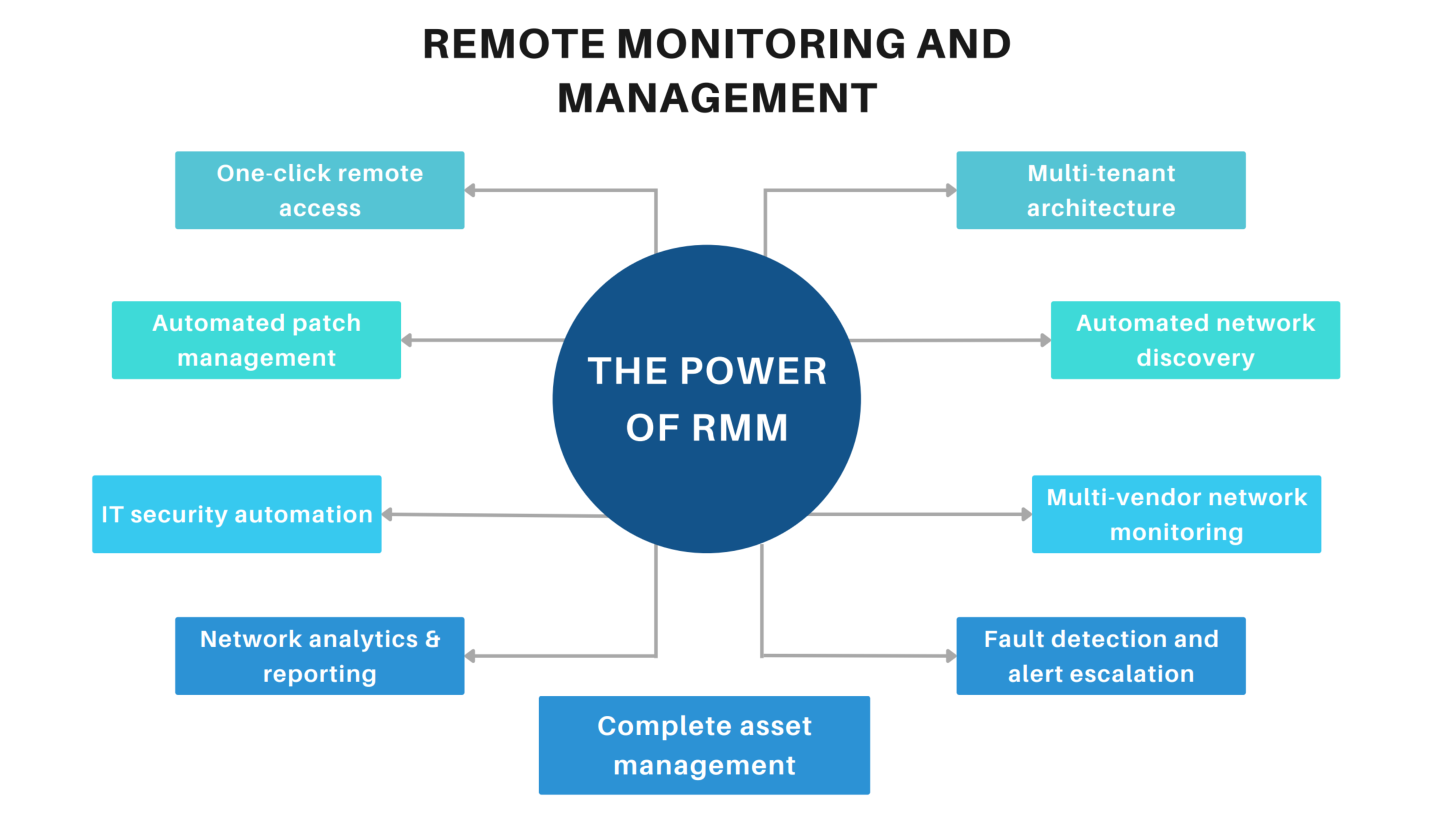
Combining CRM and RMM platforms unlocks a wealth of benefits for IT Service Providers, transforming the way they operate and deliver value to their clients. This integration creates a seamless flow of information, enabling proactive problem-solving, improved communication, and increased efficiency. Now that we’ve established the challenges of modern IT infrastructure, What Is Remote Monitoring and Management (RMM)? becomes a crucial strategy for proactive management
.
Unified Client View and Enhanced Communication
Integration creates a single source of truth for all client information, providing a 360-degree view of each client’s needs, infrastructure, and service history. This unified view empowers ITSPs to:
- Provide Personalized Service: Technicians can access client history, preferences, and infrastructure details directly from the CRM, enabling them to provide more personalized and effective support.
- Improve Communication: Sales and support teams can communicate more effectively, sharing relevant information and ensuring consistent messaging.
- Strengthen Client Relationships: By understanding client needs and providing proactive support, ITSPs can build stronger, more trusting relationships.
Proactive Problem Solving and Reduced Downtime
Integrating RMM alerts into the CRM allows ITSPs to proactively identify and resolve potential issues before they impact clients. This proactive approach reduces downtime, improves client satisfaction, and minimizes support costs. Benefits include:
- Automated Ticket Creation: RMM alerts automatically trigger ticket creation in the CRM, streamlining the support process.
- Prioritized Issue Resolution: Technicians can prioritize issues based on client criticality and potential impact, ensuring that the most important issues are addressed first.
- Reduced Downtime: Proactive problem solving minimizes downtime and prevents disruptions to client operations.
Automated Workflows and Increased Efficiency
Integration automates many manual tasks and workflows, freeing up valuable time and resources. This increased efficiency allows ITSPs to focus on more strategic activities, such as business development and innovation. Examples of automated workflows include:
- Automated Onboarding: Integration streamlines the onboarding process, automatically creating client profiles in both the CRM and RMM systems.
- Automated Reporting: Integration enables automated reporting on key metrics, providing insights into client performance and service delivery.
- Automated Billing: Integration can automate billing based on RMM data, ensuring accurate and timely invoicing.
Improved Sales and Marketing Efforts
The insights gained from integrated CRM and RMM data can significantly enhance sales and marketing efforts. By understanding client needs and infrastructure, ITSPs can:
- Identify Upselling Opportunities: Sales teams can identify opportunities to offer clients additional services or solutions based on their current infrastructure and needs.
- Targeted Marketing Campaigns: Marketing teams can create targeted campaigns based on client demographics and technology usage.
- Improved Sales Forecasting: Integration provides more accurate sales forecasting based on real-time client data.
Choosing the Right CRM/RMM Integration Strategy
There are several approaches to integrating CRM and RMM systems, each with its own advantages and disadvantages. The best approach will depend on the specific needs and resources of the IT Service Provider.
Native Integration
Some CRM and RMM vendors offer native integrations, meaning that the two systems are designed to work together seamlessly. This approach typically provides the most comprehensive and reliable integration, but it may limit your choice of vendors. Native integrations often involve a single vendor offering both CRM and RMM capabilities within a unified platform.
API Integration
API (Application Programming Interface) integration involves connecting two separate systems using their respective APIs. This approach allows for more flexibility in choosing vendors, but it requires technical expertise and can be more complex to implement and maintain. Many CRM and RMM vendors offer open APIs, allowing third-party developers to create custom integrations.
Third-Party Integration Platforms
Third-party integration platforms, such as Zapier or Integromat, provide a low-code or no-code approach to connecting CRM and RMM systems. These platforms offer pre-built integrations and workflows, making it easier to automate tasks and synchronize data. This option is often suitable for smaller ITSPs with limited technical resources.
Key Considerations When Selecting a Combined Solution
When evaluating combined CRM/RMM solutions or planning an integration, consider the following factors:
- Functionality: Does the solution offer the features and functionality that your business needs? Consider features like ticketing, reporting, automation, and remote access.
- Scalability: Can the solution scale to meet your growing business needs? Ensure the platform can handle an increasing number of clients, devices, and users.
- Ease of Use: Is the solution easy to use and intuitive for your team? User-friendly interfaces and clear documentation are crucial for adoption.
- Integration Capabilities: Does the solution integrate with other tools that you use, such as accounting software or ticketing systems? Look for open APIs and pre-built integrations.
- Security: Does the solution meet your security requirements? Ensure the platform offers robust security features to protect client data.
- Support: Does the vendor offer reliable and responsive support? Choose a vendor with a proven track record of customer satisfaction.
- Cost: Is the solution affordable and within your budget? Consider the total cost of ownership, including implementation, maintenance, and support.
Conclusion
In conclusion, combining CRM and RMM is no longer just a “nice-to-have” for IT Service Providers; it’s a vital necessity for success in today’s competitive market. By integrating these two critical systems, ITSPs can gain a unified client view, proactively address issues, automate workflows, and ultimately deliver exceptional service that drives client loyalty and business growth. The choice of integration strategy and solution should be carefully considered based on the specific needs and resources of the organization.
Investing in a combined CRM/RMM solution or carefully planning an integration can significantly improve operational efficiency, enhance client relationships, and provide a strong competitive advantage. By embracing this powerful synergy, ITSPs can unlock their full potential and thrive in the ever-evolving IT landscape.
The future of IT service management is undoubtedly integrated. By embracing the power of CRM and RMM integration, ITSPs can position themselves for long-term success and become trusted advisors to their clients, driving mutual growth and prosperity.
Conclusion
In conclusion, the arguments for integrating CRM and RMM systems for IT service providers are compelling and ultimately, undeniable. We’ve explored how this powerful combination streamlines operations, enhances customer experiences, and unlocks significant growth potential. By breaking down data silos and fostering a unified view of the customer, IT providers can move beyond reactive problem-solving to proactive relationship management, building stronger, more loyal client bases.
The future of IT service delivery lies in efficiency and customer-centricity. Integrating your CRM and RMM platforms is no longer a “nice-to-have” but a vital strategy for staying competitive. Reflect on the pain points your business currently faces – are you struggling with fragmented data, inefficient workflows, or difficulty demonstrating value to your clients? If so, now is the time to explore the possibilities of integrated CRM and RMM. Take the first step towards a more profitable and customer-focused future by researching available integration solutions and considering a demo from a leading provider. Learn more about how integrating your CRM and RMM can revolutionize your business here.
Frequently Asked Questions (FAQ) about Why Combining CRM & RMM Is Vital for IT Service Providers
Why is integrating my CRM (Customer Relationship Management) system with my RMM (Remote Monitoring and Management) platform so important for my IT service business?
Integrating your CRM and RMM systems is crucial for IT service providers because it streamlines operations and enhances customer experience. A combined system allows you to access client information from your CRM directly within your RMM tool, providing technicians with immediate context during troubleshooting. This eliminates the need to switch between platforms, saving time and reducing errors. Furthermore, integrated data provides a more holistic view of each customer, enabling proactive issue resolution and personalized service. This leads to improved customer satisfaction, increased efficiency, and better profitability for your IT service business. According to a recent study by ConnectWise, businesses that effectively integrate their systems report a 15-20% increase in operational efficiency.
What are the key benefits of a CRM and RMM integration for improving client communication and service delivery for managed service providers (MSPs)?
A CRM and RMM integration provides significant benefits for MSPs in terms of client communication and service delivery. Firstly, it creates a unified view of client information, including support tickets, service agreements, and hardware/software inventory, allowing for more informed and personalized communication. When a technician receives an alert from the RMM, they can immediately access the client’s CRM profile to understand their specific needs and history, leading to faster and more effective resolutions. Secondly, it enables proactive communication. By monitoring client systems through the RMM, MSPs can identify potential issues before they impact the client and proactively reach out with solutions, demonstrating a commitment to their client’s success. Finally, it automates communication workflows, ensuring clients are kept informed of progress on their support requests. This improves transparency and builds trust, leading to stronger client relationships and increased retention.
How does combining CRM and RMM data help IT service providers with better reporting and business intelligence for strategic decision-making and growth?
Combining CRM and RMM data gives IT service providers powerful reporting and business intelligence capabilities. By linking data from both systems, you can gain insights into key performance indicators (KPIs) such as customer lifetime value, service profitability, and resource utilization. For example, you can identify which clients are most profitable and which services are generating the most revenue. You can also track the time it takes to resolve issues for different clients, allowing you to optimize your service delivery processes. This data-driven approach enables better strategic decision-making, allowing you to allocate resources effectively, identify new business opportunities, and improve overall business performance. Furthermore, integrated reporting can help demonstrate the value of your services to clients, strengthening relationships and fostering long-term partnerships. Accurate data analysis is essential for sustainable growth in the competitive IT services market, and combining CRM and RMM data is a vital step in achieving that.